
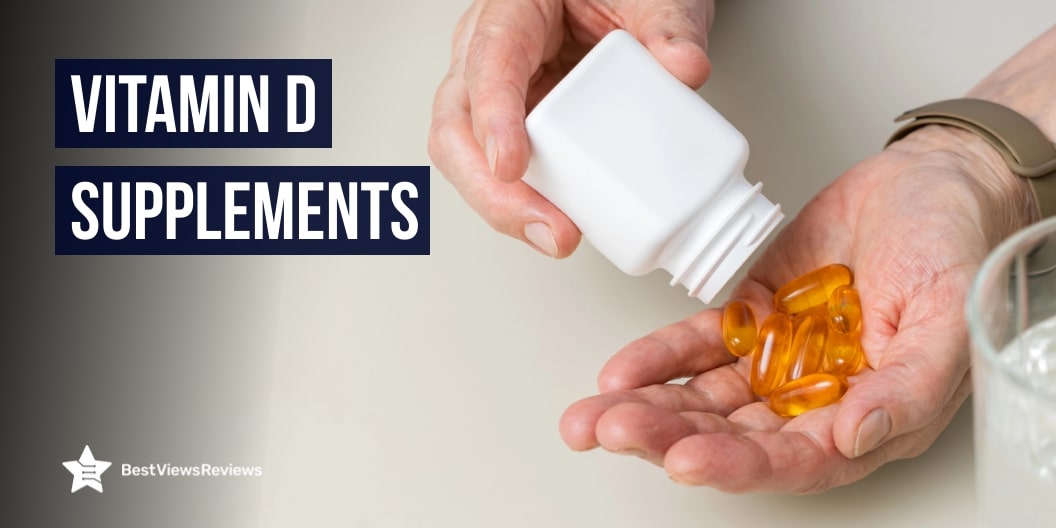
Vitamin D Supplements: Why they Are a Must for Your Health

Vitamin D Supplements

Vitamin D supplements are a crucial nutrient that is pivotal in maintaining overall health. Often referred to as the “sunshine vitamin,” it is produced naturally by our bodies when we are exposed to sunlight. However, many people struggle to get enough of it through sunlight or diet alone, which is where vitamin D supplements come in.

These supplements can fill in the nutritional gaps and provide numerous health benefits. In this blog, let’s explore the importance of vitamin D, its benefits, the risks of deficiency, and how to incorporate vitamin D supplements into your daily routine. Check it on bestviewsreviews.

What is Vitamin D, and Why Do We Need It?

MaryRuth Organics Vitamin D Gummies is a fat-soluble vitamin that is essential for various functions in the body. Unlike other vitamins, it functions like a hormone, influencing many biological processes. The two main types of vitamin D are D2 (ergocalciferol) and D3 (cholecalciferol). Vitamin D is produced in the skin when exposed to sunlight, but it is also found in certain foods and available in supplement form.

One of the primary roles of vitamin D is to help regulate calcium and phosphorus levels in the body, which are necessary for healthy bones and teeth. It also significantly supports the immune system, reduces inflammation, and influences muscle function. Without enough vitamin D, the body cannot absorb enough calcium, leading to weakened bones and an increased risk of fractures.

Health Benefits of Vitamin D Supplements

Supports Bone Health

Thorne Research-Vitamin D is vital for bone health. It helps regulate calcium absorption, ensuring that bones remain strong and dense. Without adequate vitamin D, bones can become thin, brittle, and more prone to fractures. Adequate levels of vitamin D can help reduce the risk of osteoporosis and other bone-related disorders.

Boosts Immune System Function

Vitamin D is critical for a properly functioning immune system. It helps enhance the pathogen-fighting effects of immune cells, such as T cells and macrophages, and reduces inflammation. During colder months, when sunlight exposure is limited, taking vitamin D supplements can help maintain a strong immune system and reduce the risk of infections, including the flu and colds.

Improves Muscle Function

Vitamin D plays a role in maintaining muscle strength and function. Studies have shown that vitamin D supplementation can help reduce the risk of falls in older adults by improving muscle strength and coordination. This is especially important as we age, as muscle weakness and falls can lead to serious injuries.

Supports Mental Health

Research suggests that vitamin D may play a role in regulating mood and warding off depression. Individuals with low levels of vitamin D are more likely to experience symptoms of depression, especially during the winter months when sunlight exposure is limited. By taking vitamin D supplements, people may improve their mood and overall mental well-being.

Reduces the Risk of Chronic Diseases

Vitamin D supplementation has been linked to a reduced risk of several chronic diseases, including heart disease, type 2 diabetes, and certain types of cancer. By supporting overall health and immune function, vitamin D may help protect against the development of chronic conditions and improve long-term health outcomes.

Risk Factors for Vitamin D Deficiency

Limited Sunlight Exposure

One of the primary sources of vitamin D is sunlight. People who live in regions with long winters or have limited access to sunlight may not get enough vitamin D from sun exposure alone. Additionally, those who spend most of their time indoors or use sunscreen excessively may also be at risk of vitamin D deficiency.

Age

As we age, our skin becomes less efficient at producing vitamin D in response to sunlight. Older adults are more likely to have lower levels of vitamin D, which can contribute to muscle weakness and bone-related issues.

Dietary Habits

While some foods are rich in vitamin D, such as fatty fish, fortified dairy products, and eggs, many people don’t consume enough to meet their daily needs. A diet that lacks these vitamin D-rich foods can contribute to deficiency.

Health Conditions

Certain medical conditions, such as Crohn’s disease, celiac disease, and other gastrointestinal disorders, can interfere with the body’s ability to absorb vitamin D from food and sunlight. Additionally, individuals with obesity or those who have undergone weight loss surgery may have a reduced ability to absorb vitamin D.

Skin Color

People with darker skin have higher levels of melanin, which reduces the skin’s ability to produce vitamin D in response to sunlight. As a result, individuals with darker skin may need more sunlight exposure to produce the same amount of vitamin D as those with lighter skin.

Why You Should Consider Vitamin D Supplements

  • Living in a region with limited sunlight: If you live in an area with long winters or limited sunshine, it can be difficult to get enough vitamin D from sunlight alone. Vitamin D supplements can help bridge the gap.
  • Health issues that affect absorption: Conditions like Crohn’s disease, celiac disease, and other digestive issues can impact the body’s ability to absorb vitamin D, making supplementation necessary.
  • Limited dietary intake of vitamin D-rich foods: If your diet lacks vitamin D-rich foods, taking supplements can help ensure you meet your daily needs.
  • Feeling fatigued or experiencing mood swings: Low vitamin D levels have been linked to fatigue and mood disturbances, including depression and anxiety. Supplementation may help improve energy levels and mood.

How to Incorporate Vitamin D Supplements Into Your Daily Routine

  • Choose the Right Form: Vitamin D supplements come in various forms, including capsules, tablets, soft gels, and liquid drops. Choose a form that works best for you and is easy to incorporate into your routine.
  • Take with Fatty Foods: Vitamin D is a fat-soluble vitamin, meaning it is better absorbed when taken with meals that contain healthy fats. Try taking your supplement with a meal that includes avocado, nuts, or olive oil for better absorption.
  • Consistency is Key: To see the full benefits of vitamin D, consistency is important. Set a daily reminder or include your supplement in your routine at the same time each day to make it a habit.
  • Monitor Your Levels: keep track of your vitamin D levels. A simple blood test can determine whether you are getting enough and whether you need to adjust your dosage.

Commonly Asked Questions

1. How much vitamin D should one take daily?

The recommended daily vitamin D intake depends on age, sex, and health needs. For infants (0-12 months), the recommended amount is 400 IU, while children aged 1-18 years should get 600 IU. Adults between 19 and 70 also need 600 IU, but adults over 70 should aim for 800 IU.

Pregnant and breastfeeding women should take 600 IU as well. However, certain individuals may require higher doses, particularly those with limited sun exposure, specific medical conditions, or risk factors for vitamin D deficiency. People with osteoporosis or those at risk of bone loss might need higher amounts, which a healthcare provider can determine. Therefore, it is always wise to consult a healthcare professional before starting vitamin D supplements.

2. What are the best sources of vitamin D?

The best sources of vitamin D include both natural and fortified options, as well as sunlight. First and foremost, sunlight is a key source, as the body produces vitamin D when exposed to UVB rays. Spending about 10-30 minutes outdoors several times a week can help most people meet their vitamin D needs, though this can vary depending on factors like skin type and location.

Additionally, fatty fish such as salmon, mackerel, tuna, and sardines are excellent natural sources. Cod liver oil is another concentrated option for those looking to boost their intake. Egg yolks also contain small amounts of vitamin D, making them another good source.

For those who prefer plant-based options or have dietary restrictions, fortified foods like milk, orange juice, and breakfast cereals can help meet vitamin D requirements. Finally, some cheeses, particularly Swiss cheese, provide smaller amounts of vitamin D. By including various sources, you can ensure sufficient vitamin D intake, especially if sunlight exposure is limited.

3. What is the difference between vitamin D2 and D3 supplements?

Vitamin D2 (ergocalciferol) and vitamin D3 (cholecalciferol) are two forms of vitamin D with some key differences. First, vitamin D2 comes from plant sources, such as fungi and yeast, making it suitable for vegans. While vitamin D3 is typically derived from animal products like fish liver oil or lanolin from sheep’s wool, vegan D3 from lichen is available.

Vitamin D3 is generally more effective at raising blood levels of vitamin D, as it is more easily absorbed by the body. Furthermore, vitamin D3 stays in the body longer than vitamin D2, helping maintain stable levels over time. While vitamin D2 supplements are typically more affordable, many people choose vitamin D3 for its superior absorption and prolonged effects, despite the higher cost.

4. What are the potential side effects and risks of Vitamin D overdose?

While vitamin D is crucial for health, excessive intake can cause serious side effects. One major concern is hypercalcemia, which leads to symptoms like nausea, vomiting, weakness, frequent urination, and kidney issues. In rare cases, it can cause bone pain and the formation of calcium in soft tissues. Long-term overuse can damage the kidneys, potentially causing stones or kidney failure, particularly in those with existing kidney problems.

Elevated calcium levels may also cause heart issues, including arrhythmias, and gastrointestinal problems like constipation and cramps. Ironically, too much vitamin D can weaken bones by disrupting the calcium-phosphorus balance. To avoid these risks, it’s important to follow the recommended intake of 600-800 IU for adults and consult a healthcare provider before taking higher doses.

Winter SkinCare Routine for Cold Weather: The Ultimate Guide

Winter SkinCare Routine

As the climate finally turns cool and the air becomes dry, your skin enters a susceptible period where it is more vulnerable to becoming dry and often irritated or simply lacks the healthy glow it had when it was warmer. A proper winter skincare routine becomes desirable so the skin remains healthy, moisture-retained, and radiant all the season.

This winter skincare routine guide is the ultimate rulebook for your skincare transformation, which will guide you step by step on how best to make those tweaks that usher your skin into the winter season. If you experience problems such as dry skin, redness, or skin dullness, this blog will assist you keep your skin healthy and glowing during winter.

Why Winter Requires Special Skincare?

As temperatures drop and cold winds blow, your skin faces unique challenges that demand extra attention. Winter weather brings low humidity and indoor heating, which strip moisture from the skin, leaving it dry, irritated, and prone to cracking. The cold air can weaken the skin’s natural barrier, making it more susceptible to environmental damage.

Without proper care, winter can also exacerbate existing skin conditions such as eczema, rosacea, and psoriasis. The lack of moisture in the air causes your skin to produce less oil, resulting in dullness and flakiness. That’s why you need a skincare routine specifically designed for the winter months to keep your skin hydrated, nourished, and protected from the harsh weather.

Benefits of Winter Skin Care Routine

1. Reduces the Tendency of Skin to Become Dry and Scaly

During winter, the air is usually dry, making the skin become rough and develop small flakes. According to the expert proposal, the right treatment with moisturizers and hydrating serums will help retain moisture and prevent skin roughness. Maintenance of skin hydration helps a lot to avoid the annoyance of having extremely dry skin.

2. Protects Your Skin Barrier

Winter weather and heating also cause your skin to feel dry and more fragile. The winter skin care, together with a proper diet and the use of carefully selected oils, ceramides, and emollients will assist in strengthening the skin barrier. This protects your skin from the effects of the environment and keeps it hydrated all the time.

3. Can Help with Skin Inflammation

If there is one thing very uncomfortable with sensitive skin it is the harsh winter weather. Even if you do not have an easily detected skin condition, you might be exposed to irritants that can lead to itching, redness, or inflammation due to cold air & wind or central heating. With the help of these tips, you can attend to your skin properly in the winter and keep it looking as smooth and clear as possible or prevent it from being irritated, red, or flaky.

4. Enhances Natural Glow

When the skin is properly moisturized and shielded, it radiates all by itself regardless of how low is the temperature or how bleak the weather is. Regular washing and using some other facial products can reduce a skin’s dullness and keep people looking good and young. With a proper winter skincare routine, you will glow through the season of dryness, dullness, and capping.

5. Prevents Premature Aging

These actions can make your skin look older than it really is and stress or wintertime can weaken your skin and cause lines and wrinkles. Therefore, by using conditioners, oils, and richly nourishing elements such as hyaluronic acid. You can check L’Oreal Paris Skincare Revitalift Derm Face Serum which comes with intensives of 1.5% pure hyaluronic acid. It can prevent the skin from losing elasticity and show the first signs of aging.

5-Step Skincare Routine For Winter Skin Care Routine 

Follow these five essential steps for your Winter Skin Care Routine and keep your skin nourished and hydrated throughout the season.

Step 1: Start with a Gentle Cleanser

Winter skincare begins with proper cleansing. During the colder months, harsh cleansers can strip your skin of natural oils, leaving it feeling tight and dry. Opt for a gentle, hydrating cleanser like CeraVe Hydrating Foaming Oil Cleanser that removes dirt without compromising your skin’s moisture balance. It has soothing ingredients like Squalane Oil and Ceramides to keep your skin soft and nourished.

Step 2: Apply a Hydrating Toner

After cleansing, follow up with a hydrating toner to replenish your skin’s moisture. Choose a THAYERS Milky Face Toner Skin Care that contains ingredients like hyaluronic acid, which draws moisture into the skin, or rose water to calm irritation. Avoid toners with alcohol, as they can dry out your skin, especially in the winter months.

Step 3: Layer with a Rich Serum

To tackle winter dryness, incorporate a moisturizing serum into your routine. A serum with hyaluronic acid or Vitamin C will not only hydrate but also provide additional benefits such as brightening or anti-aging effects. Apply a few drops of the serum to your face and gently massage it in for deeper penetration. This step helps lock in moisture and creates a strong foundation for the rest of your skincare products.

Step 4: Seal in Moisture with a Rich Cream

Then, apply some type of lotion, thicker and more occlusive than your serum. When it comes to cream, go for products that contain emollients such as shea butter or squalane, which create a barrier that locks in moisture and keeps skin hydrated the whole day. This is due to the cold air that is in circulation, especially during the winter season. The skin is dry, hence the challenge of hydrating it. Visit BestViewsReviews and check eos Shea Better Body Lotion which locks your moisture for 24 hours.

Step 5: Don’t Skip Sunscreen

Even though the intensity of the sun appears to be a little low during the winter, failure to apply sunscreen daily is still very unhealthy. Inclement weather does not exclude you from contracting skin problems caused by UV rays. Today, I recommend choosing protective sunscreen with SPF not less than 30, which is so important to protect skin from dangerous UV rays that can cause aging and skin damage.

Winter Skin Care Tips for Different Skin Types

  • For Oily Skin: At first glance, it may seem that oily-skinned people are much less problematic in the winter, but there may still be problems such as clogged pores and excessive seborrhea. In winter it is advisable not to over, those heavy creams that may Novotny these problems. Instead, choose those noncomedogenic types of moisturizers because these will help hydrate your skin without blocking the pores.
  • For Sensitive Skin: Tips on how to maintain the skin during winter if one has sensitive skin. Winter is especially problematic for individuals with sensitive skin, as both cold air and heating systems make skin more red, irritated, and inflamed. To avoid these reactions, the user should use hypoallergenic products or those with no smell at all. This will help you know that its major ingredients, such as aloe vera, calendula, or chamomile, can help reduce irritation.
  • For Combination Skin: People with combination skin need to pay even more attention in winter because different parts of their faces need different treatments. Sometimes, you may have dry skin on your cheeks, yet the T-zone of your face will be oily. For this, employ a cream that has a build-up on the dry areas, for example, cheeks, but employ a water-based moisturizer on the areas that are likely to produce more oil, say the forehead, nose, and chin.
  • For Acne-Prone Skin: People with oily skin especially find it challenging to deal with acne during the winter; the cold weather makes your skin produce sebum, and then dry air from heaters causes it to peel. To maintain this balance, drink water and apply skincare products that are light in texture so you don’t have to worry about clogging the skin pores. Do not apply creams on the face as they worsen acne such as thick and greasy creams.

Diet and Lifestyle for Winter Skin Care Routine

Maintaining a healthy diet and lifestyle plays a crucial role in supporting your winter skincare routine. The right habits and nutrients can keep your skin glowing, hydrated, and protected against the cold. Here’s how you can enhance your winter skincare routine with a few dietary and lifestyle changes:

Hydrate from Within :

This implies that while you may not be as thirsty in winter as you are in summer, it is equally important to drink water. Cold weather makes the skin dry, and hence, it looks pale and lifeless due to a lack of proper moisture. Make sure to drink a lot of water in a day and eat more foods that contain a lot of water, such as cucumber, celery, and watermelon, to increase the water content in your skin.

Eat Skin-Nourishing Foods :

Eating a balanced diet gives one good skin and helps prevent skin from cracking, which is rife during winter. Healthy fats, such as Omega-3 fatty acids found in fatty fish such as salmon and mackerel and nuts such as walnuts and flax seeds, will assist in enhancing the skin’s own protective barrier. They explain that berries, green leafy vegetables, and carrots have antioxidants that reduce skin damage from the environment and keep it supple.

Boost Vitamin D Levels :

Cold weather and less time in the sunlight during the winter may cause deficiencies in Vitamin D, which, of course, is bad for your skin. Try to eat more foods with Vitamin D, such as eggs, a glass of fortified milk, or mushrooms. If needed, talk with your doctor about a Vitamin D supplement to maintain skin health.

Use a Humidifier :

Winterized heaters that provide warmth indoors strip the air of moisture, and as a result, the skin lacks moisture, too. Using a top-rated humidifier in your home means you will be putting moisture back into the air so that your skin will not dry up. Such a small change in your daily routine can make a large difference in the health of your skin.

Commonly Asked Questions

1. How often should I exfoliate during winter?

Exfoliation is important, but in winter, you should be extra careful. Over-exfoliating can strip your skin of its natural oils, making it more susceptible to dryness and irritation. Aim to exfoliate once or twice a week, depending on your skin’s needs or your winter skincare routine. Use gentle exfoliants with hydrating ingredients to avoid damaging the skin barrier.

2. Can hot showers affect my skin in winter?

Yes, hot showers can be harmful to your skin, especially in the winter. While it might feel comforting, hot water strips the skin of its natural oils, leading to dryness and irritation. It’s best to shower with lukewarm water and avoid prolonged exposure. Afterward, apply a rich moisturizer to lock in hydration.

3. What ingredients should I look for in winter skincare products?

During the winter months, your skin requires more hydration and protection. Look for ingredients like hyaluronic acid, glycerin, ceramides, and natural oils like shea butter and squalane. These help retain moisture, strengthen the skin barrier, and protect against environmental damage.

4. How can I prevent dry skin during the winter?

Preventing dry skin starts with using the right products and habits. Switch to a hydrating, cream-based cleanser to avoid stripping your skin’s moisture. Apply a thicker moisturizer containing ceramides or squalane to create a protective barrier. Don’t forget to use a humidifier in your home to keep the air moist, which helps prevent your skin from drying out.