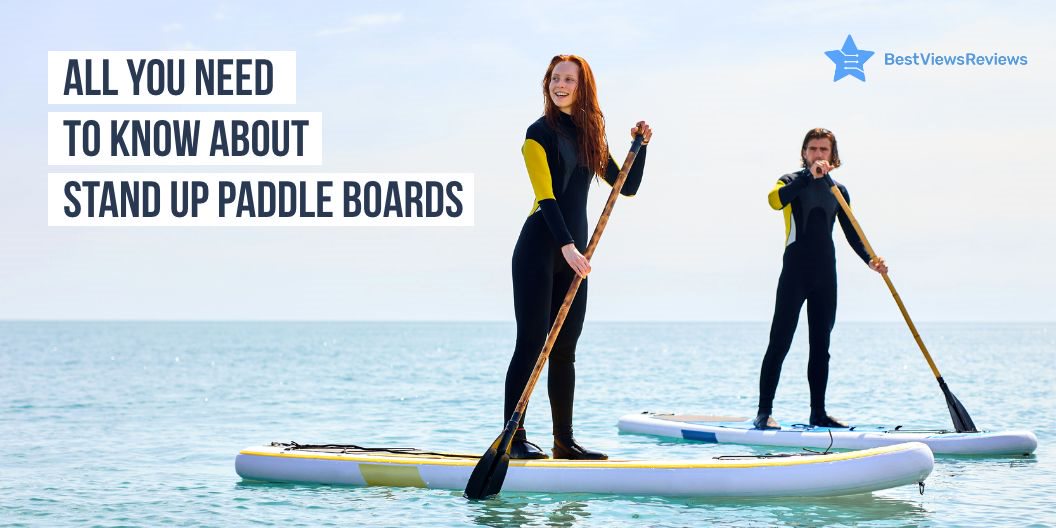
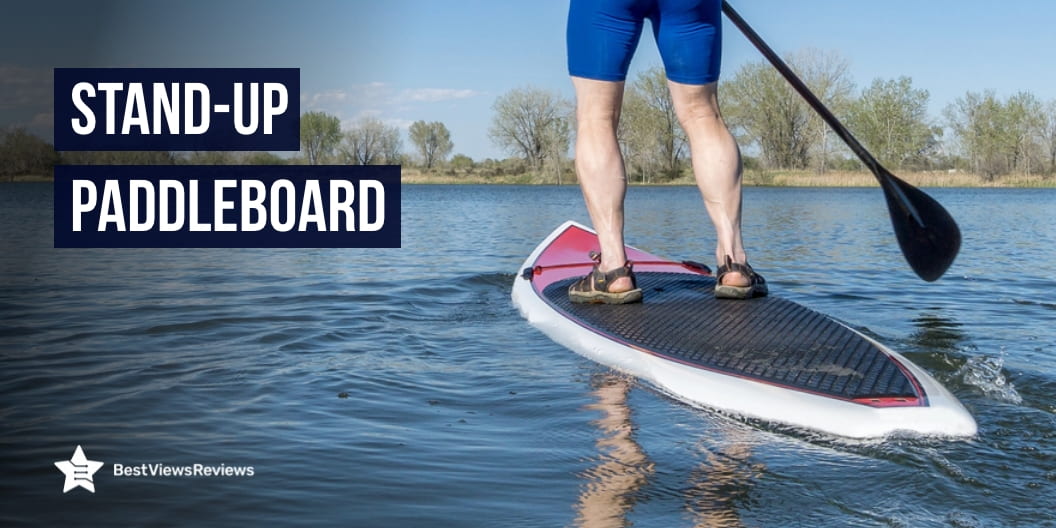
Stand-up paddleboarding (SUP) has become one of the most popular water sports in recent years. With its blend of adventure, fitness, and relaxation, SUP appeals to a broad range of enthusiasts—from those who enjoy gliding on calm lakes to thrill-seekers riding ocean waves. The right stand-up paddleboard is essential to maximizing your experience, as it affects your balance, control, and overall enjoyment. Whether you’re new to SUP or looking to upgrade your gear, understanding factors like skill level, board type, and intended use is key to finding the perfect match.
Types of Stand-Up Paddleboards
There are several types of SUPs designed for different activities and skill levels. Choosing the right type can dramatically enhance your paddling experience.
- All-Around Stand-Up Paddleboard: As the name suggests, all-around paddleboards are versatile and ideal for beginners to intermediate users. These boards offer a balance between stability and maneuverability, making them perfect for recreational use on calm waters, lakes, or slow rivers. They’re great if you’re just starting and want a board that does a bit of everything.
- Touring Stand-Up Paddleboard: If you’re into long-distance paddling or exploring new waters, a touring SUP is your go-to option. These boards are designed for speed and efficiency, making them great for covering long distances with minimal effort. They’re longer and narrower than all-around SUPs, allowing them to cut through the water smoothly.
- Surf Stand-Up Paddleboard: For those who want to ride waves, a surf SUP is designed with a shorter length and narrower width for quick turns and better control in the surf zone. These boards perform best in the ocean, providing agility and responsiveness when riding waves.
- Racing Stand-Up Paddleboard: Built for speed, racing SUPs are narrow, long, and streamlined, helping paddlers achieve faster speeds. They’re designed for competitive paddling, whether it’s a race or a fitness challenge. However, due to their narrow shape, they offer less stability, making them more suitable for advanced paddlers.
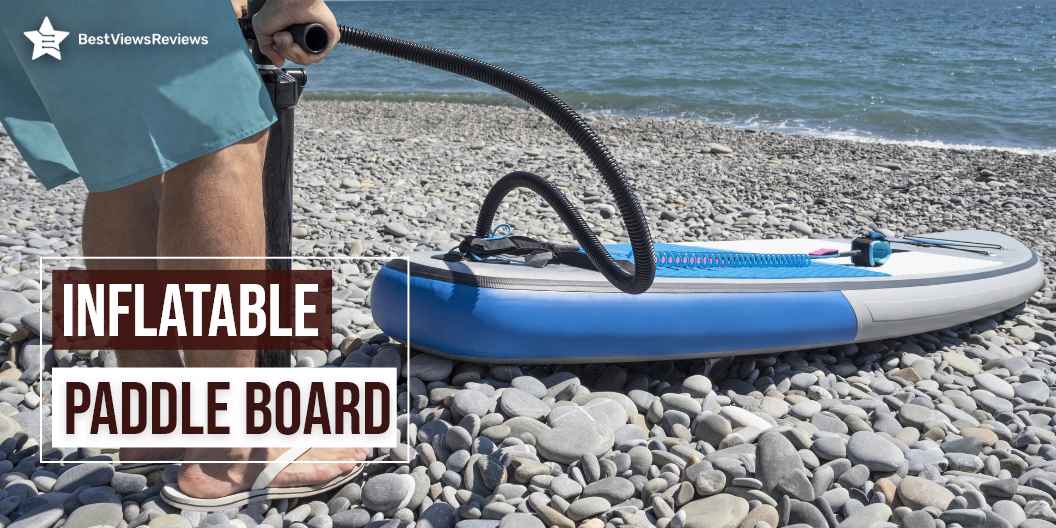
- Inflatable Stand-Up Paddleboard: If portability and storage are priorities, inflatable SUPs are a great option. While solid boards offer better performance in some cases, inflatable SUPs are lightweight, easy to store, and can be packed into a backpack for travel. Modern inflatable boards are highly durable and perform well for most activities, making them a popular choice among paddlers who don’t want the hassle of transporting a large solid board.
Our Recommendations
| Features | Roc Inflatable SUP | Skatinger Inflatable SUP | SereneLife Inflatable SUP | Bornway Inflatable SUP | Highpi Inflatable SUP |
|---|---|---|---|---|---|
| Dimensions | 120″ x 33″ | 11′ x 33″ x 6″ | 10’6″ x 32″ | 10’6″ x 32″ x 6″ | 10’6″ or 11′ x 32″ x 6″ |
| Weight Capacity | 350 lbs | 400 lbs | Ankle leash upgraded aluminum paddle, repair kit | 330 lbs | 300 lbs |
| Material | High-grade material, 50% stronger than competitors | Military-grade PVC, needle drop core | Drop Stitch, Reinforced Engineered PVC | Imported Military Grade Material | Military Grade Material |
| Deck | Non-slip comfort deck | Non-slip EVA deck with diamond pattern | Soft, stable, anti-slip top deck | No-slip soft top for improved stability | Soft anti-slip EVA deck |
| Fins | Not specified | US Central Fin, Detachable Fins | Triple bottom panel fins | Triple tail fin design, 1 detachable and 2 fixed fins | 1 big removable fin |
| Inflation/Weight | Not specified | Inflates in 3 minutes, 20 lbs | Portable & inflatable | Double-action pump, semi-automatic inflation port | Inflates in 5 minutes, 18.5 lbs (20% lighter than competitors) |
| Accessories | Premium accessories (not detailed) | US Central Fin, Floatable Paddle, 2-Action Pump, 5L Dry Bag, Safety Ankle Straps, Waterproof Phone Bag, Wrench | Ankle leash, upgraded aluminum paddle, repair kit | Double-action pump, adjustable paddle, leash, waterproof bag, repair kit, camera mount, 4 D-rings for accessories | Adjustable paddle, pump with PSI gauge, safety leash, 5L dry bag, repair kit, large backpack |
| Warranty | 3-year manufacturer’s warranty | 6-month manufacturer’s warranty | 1-year manufacturer’s warranty | 1-year manufacturer’s warranty | 1-year manufacturer’s warranty |
| Special Features | Extra wide design for all skill levels, superior accessories | Wide body, streamlined design, fits 2 people, military-grade material, extra storage, durable, portable design | Triple fins for maneuverability, travel-friendly design | Camera mount, semi-auto inflation port, connectable D-rings for tandem paddling | Ultra-lightweight, fast inflation, extra wide for beginners, suitable for pets |
Factors to Consider While Choosing the Stand-Up Paddleboard
1. Stand-Up Paddleboard Size: Length, Width, and Thickness
Choosing the right size of SUP is essential for balance and performance. The length, width, and thickness of the board will significantly affect how it handles the water.
- Board Length
- Shortboards (<10’): These are ideal for surfing because they offer more maneuverability and control, allowing you to quickly change direction while riding waves.
- Medium boards (10’-12’): These are versatile and great for all-around use or touring. They provide a good balance of speed and stability, making them suitable for recreational paddling or longer trips.
- Longboards (>12’): Longboards are designed for racing or long-distance paddling. They provide excellent glide and are faster, making them ideal for covering large distances efficiently.
- Board Width
- Wider boards provide more stability, which is particularly beneficial for beginners or activities like SUP yoga, where maintaining balance is crucial. A wider board makes it easier to stand up and paddle, reducing the risk of falling into the water.
- Narrower boards are designed for more advanced paddlers who prioritize speed and performance. These boards cut through the water with less drag, allowing for faster speeds but at the expense of stability.
- Board Thickness
- The thickness of the board impacts buoyancy and weight capacity. Thicker boards can support more weight, making them suitable for heavier paddlers or those carrying additional gear. However, they may be less maneuverable than thinner boards.
2. Material and Construction
The material and construction of a paddleboard directly impact its performance, durability, and weight.
- Solid vs. Inflatable: Solid boards are typically more durable and provide better performance, especially for surfing, racing, or touring. They are usually made from materials like EPS foam covered with fiberglass or carbon fiber for added rigidity. Inflatable boards, while not as rigid, have the advantage of being lightweight and easy to transport, making them an excellent choice for casual paddlers or those with limited storage space.
- Materials: Most SUPs are made from EPS foam wrapped in fiberglass or carbon fiber. Inflatable boards are often constructed from PVC, which is both durable and lightweight. Carbon fiber boards tend to be the lightest and most expensive, offering excellent performance for racers or those looking to invest in high-end equipment.
- Weight Considerations: Lighter boards are easier to carry and transport but may not offer the same level of durability or stability as heavier boards. Consider your physical strength and how you plan to transport your board when choosing between a light or heavy model.
3. Hull Types: Planing vs. Displacement
The hull design affects how the paddleboard moves through the water.
- Planing Hull: A planing hull is flat and wide, similar to a surfboard. It sits on top of the water and is ideal for all-around use, surfing, and casual paddling on calm waters. It provides more stability and is easier to maneuver, making it a popular choice for beginners.
- Displacement Hull: A displacement hull has a pointed nose that cuts through the water, similar to a kayak. This design is best for touring, racing, or long-distance paddling, as it allows the board to move efficiently with minimal resistance. Displacement hulls provide better speed and tracking but are less maneuverable than planing hulls.
4. Stability and Weight Capacity
The stability of a paddleboard is closely tied to its weight capacity. To ensure your board provides the right balance, choose one that matches your weight and paddling style.
- Weight Capacity: SUPs are rated for different weight capacities, which affect their buoyancy and stability. If the paddler’s weight exceeds the board’s capacity, it will sit lower in the water, making it harder to balance. When selecting a board, consider both your weight and any additional gear or passengers you may bring.
- Stability: Wider boards offer more stability and are ideal for beginners or those who prefer a relaxed paddling experience. Narrower boards, while faster, offer less stability and require more skill to balance, making them better suited for advanced paddlers.
5. Stand-Up Paddleboard Accessories
The right accessories can make a significant difference in your SUP experience.
- Paddles: SUP paddles come in both adjustable and fixed-length options. Adjustable paddles are versatile and can be shared between paddlers of different heights. Blade size is also important—larger blades offer more power with each stroke, while smaller blades are easier to use for long-distance paddling.
- Leashes: A leash attaches you to the board, ensuring that you don’t lose it if you fall off. This is especially important in open water or rough conditions.
- Fins: Fins affect how the board tracks and handles. A single fin provides good straight-line tracking, while thruster (three fins) or quad fin setups improve maneuverability, particularly in surf conditions.
- Storage and Carrying Bags: Protecting your board during transport and storage is crucial. A well-padded board bag can prevent damage, while storage solutions like racks or straps keep your board safe when not in use.
6. Skill Level and Intended Use
Choosing the right SUP depends on your skill level and how you plan to use the board.
- Beginners should look for stable, wider boards that are easy to balance on, such as all-around or inflatable SUPs.
- Intermediate paddlers might prefer touring boards for longer distances or surf SUPs if they want to ride waves.
- Advanced paddlers often opt for specialized boards, like racing SUPs or narrow surf SUPs, which offer high performance but require more skill to handle.
Matching the board to your activity is also crucial. Whether you’re into SUP yoga, surfing, touring, or racing, there’s a board designed to enhance that experience.
7. Budget For Stand-Up Paddleboard
Paddleboards come in a wide range of prices, depending on their material, construction, and brand.
- Entry-level boards: These are typically made from less expensive materials like EPS foam or PVC and are ideal for beginners. They range from $300 to $700.
- Mid-range boards: These offer better performance and durability, with prices between $700 and $1,200.
- High-end boards: Made from premium materials like carbon fiber, these boards are designed for serious paddlers and can cost upwards of $1,500.
Most Asked Questions
1. What size paddleboard is best for beginners?
For beginners, a wider and longer board is ideal because it offers more stability. Look for an all-around SUP that’s around 10 to 12 feet long and at least 30 inches wide. These dimensions make it easier to balance while paddling.
2. Are inflatable paddleboards as good as solid ones?
Yes, modern inflatable paddleboards can perform as well as solid boards for most recreational activities. Inflatable SUPs are durable, easy to transport, and provide decent performance for beginners and intermediate users. However, solid boards still have an edge in performance for activities like surfing or racing.
3. Can I use the same board for surfing and touring?
While it’s possible to use the same board for both surfing and touring, it may not perform optimally for either activity. Surf SUPs are typically shorter and more maneuverable, which is ideal for riding waves while touring SUPs are longer and designed for better speed and efficiency over long distances. If you plan to do both activities frequently, it’s best to use a specialized board for each. However, an all-around SUP can offer a good compromise if you’re looking for a board that can handle both activities with moderate performance.
4. How do I maintain my stand-up paddleboard?
To maintain your SUP, always rinse it with fresh water after use, especially if you’ve been in salt water. For inflatable boards, ensure it’s fully dry before rolling them up for storage to prevent mold or mildew. Store your board in a cool, dry place away from direct sunlight, as prolonged UV exposure can damage the materials. Regularly check for any dings or punctures and repair them promptly.
5. How much does a good stand-up paddleboard cost?
The cost of a good SUP varies based on the type, materials, and brand. Entry-level boards can cost between $300 and $700, mid-range boards typically range from $700 to $1,200, and high-end boards made from premium materials like carbon fiber can exceed $1,500.
6. What accessories do I need with my paddleboard?
Essential accessories include a paddle (preferably adjustable for versatility), a leash to stay attached to the board, and a fin system to improve tracking and maneuverability. A storage bag or carry bag is also useful for protecting the board during transport and storage. Additionally, a pump is necessary for inflatable SUPs.