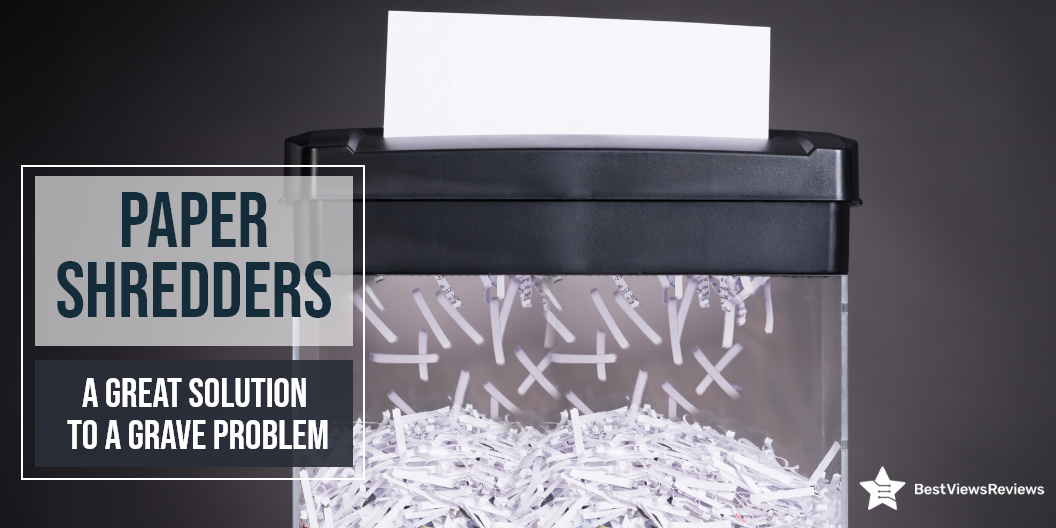
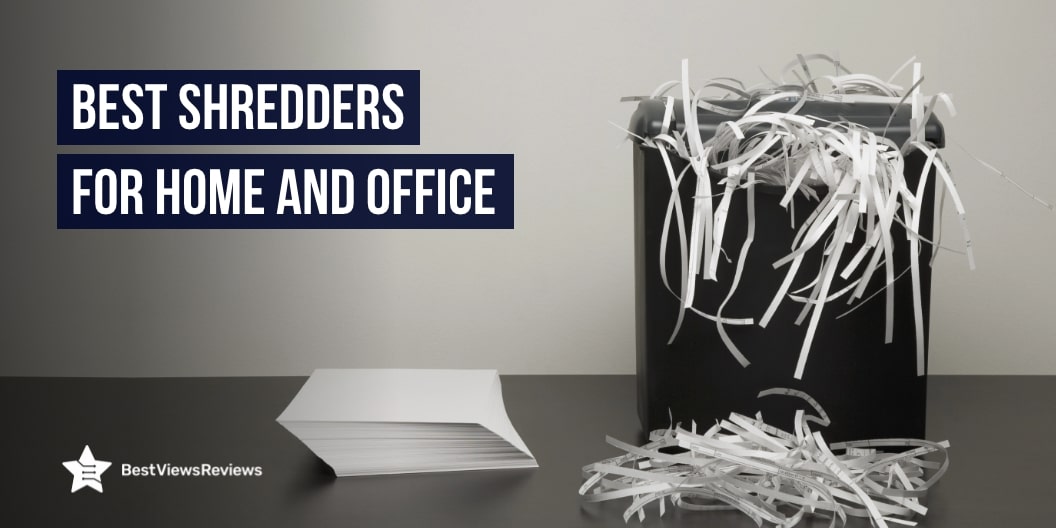
Best shredders are essential for safeguarding your personal and business information in today’s digital world. As identity theft rates soar, securely disposing of sensitive documents has never been more important. A paper shredder provides an effective way to protect your data from falling into the wrong hands.
However, with countless options on the market, choosing the right shredder can feel overwhelming. Whether you need a compact model for occasional home use or a heavy-duty machine for a high-volume office environment, this guide will walk you through the key features to consider, ensuring you make an informed decision tailored to your needs.
Types of Shredders
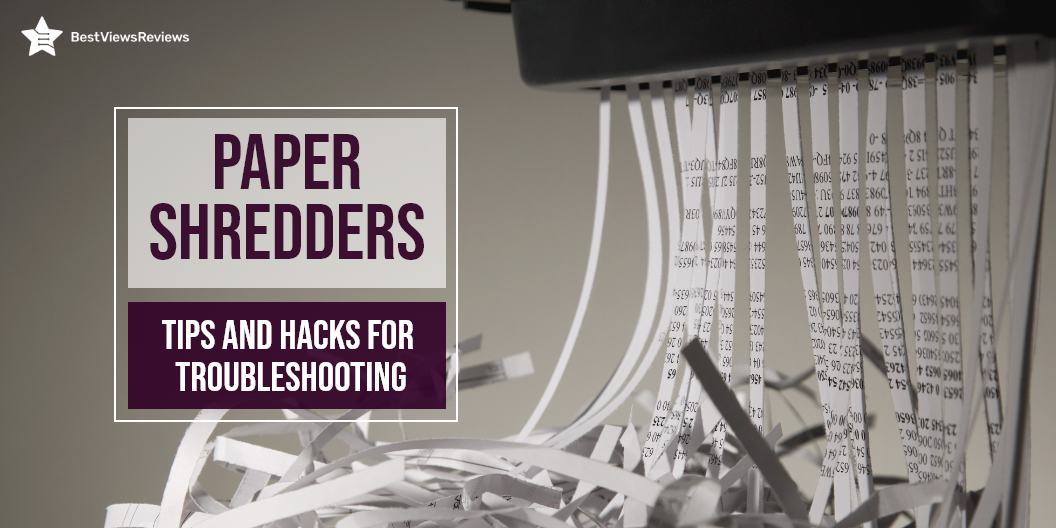
- Strip-Cut Shredders: This is the most basic and budget-friendly shredder type. It cuts paper into long, narrow strips. While this method is fast, it provides only basic security. This type is suitable for everyday, non-sensitive documents.
- Cross-Cut Shredders: These shredders cut paper into small squares or diamonds. They offer better security than strip-cut shredders because the paper is cut into smaller pieces, making it harder to piece the documents back together. Cross-cut shredders are ideal for those who need a moderate level of security.
- Micro-Cut Shredders: They take security to the next level by cutting paper into tiny pieces that are almost impossible to reconstruct. These are ideal for high-security environments, including home offices where sensitive information needs to be protected. They tend to be slower than other types but provide peace of mind with their superior level of destruction.
- High-Security Shredders: For those handling highly sensitive documents, high-security shredders comply with strict government standards, such as DIN 66399 P-7. They produce ultra-fine particles, ensuring that even the smallest shred of paper is nearly unreadable. These are commonly used in professional environments where security is of the utmost importance.
- Heavy-Duty Shredders: These shredders are designed for continuous use in large offices or commercial settings. They can handle large volumes of paper and come with stronger motors to manage bigger workloads. These machines often have a higher capacity for shredding and are ideal for large companies or businesses that need to shred lots of documents daily.
Key Features to Look for When Choosing the Best Shredders
Shred Size
The smaller the shred size, the more secure the shredder. If security is a top concern, consider a cross-cut or micro-cut shredder. Larger strip-cut shreds are easier to reconstruct, making them less safe.
Sheet Capacity
A shredder’s sheet capacity determines how many sheets of paper it can shred at once. If you only shred a few pages at a time, a machine with a lower sheet capacity will suffice. However, if you have large volumes of paper, opt for a shredder like BONSEN with a higher sheet capacity to save time.
Motor Power
Shredders come with different motor strengths. Higher-power motors can handle more sheets at once and operate for longer periods without overheating. This is especially important if you’re going to use the shredder frequently.
Bin Size
A larger bin means fewer stops to empty it, so consider a shredder like Fellowes 62MC 10 with a larger size if you plan to shred frequently. Some shredders have bins that can hold up to 20 gallons, while others may only hold a few gallons.
Noise Level
Shredders can be loud, especially if they have a high sheet capacity or heavy-duty motors. If you’re using the shredder in an office setting or at home where noise is a concern, look for models like Aurora AU1630MA designed to operate more quietly.
Safety Features
Shredders like VidaTeco often have safety features such as automatic shut-off when the bin is full, overload protection, and anti-jam technology. These features ensure that the shredder is safe to use and won’t be damaged by misuse.
What is the Difference Between a Home and a Commercial-Grade Shredder?
Home shredders are generally designed for personal or light office use. These machines have smaller capacities, less robust motors, and more straightforward features. They’re perfect for individuals or small families who only need to shred a few papers.
In contrast, commercial-grade shredders are built for larger workloads and continuous use. These shredders can handle larger volumes of paper, have more powerful motors, and offer higher security. They’re ideal for businesses and offices that need to shred large quantities of documents daily.
While commercial shredders often come with a higher price tag, they are more durable and long-lasting. They are designed to withstand the strain of frequent use and provide superior performance and security.
How Long Do Shredders Typically Last?
The lifespan of a shredder depends on the quality of the machine, its usage frequency, and the type of materials being shredded. On average, a good-quality shredder can last anywhere between 3 to 10 years.
To maximize the lifespan of your shredder, be sure to maintain it properly. Regular oiling, clearing out jams, and ensuring don’t overload the machine can all help extend its life. Higher-end, commercial-grade models tend to last longer due to their more durable construction and design.
Tips for Maintaining Your Shredders
- Oil the Blades Regularly: Shredders often come with oil sheets or can be oiled manually. This helps keep the blades running smoothly, preventing jams and ensuring longevity. Check your shredder’s manual for specific instructions on how to oil the blades.
- Avoid Overloading: Always adhere to the shredder’s sheet capacity. Overloading the machine can cause jams and damage the motor. If your shredder jams, turn it off immediately and clear the paper before attempting to use it again.
- Empty the Bin Frequently: Don’t let the bin become overfilled, as this can prevent the shredder from functioning properly. Empty it regularly to ensure smooth operation.
- Clean the Shredder: Dust and paper particles can accumulate in the machine, so periodically clean the inside of your shredder. Use compressed air or a vacuum to remove dust and debris that could cause blockages or overheating.
Frequently Asked Questions
1. What is the best type of shredder for high-security documents?
The best shredder for high-security documents is a micro-cut shredder, which slices paper into tiny, confetti-like pieces that are virtually impossible to reassemble. This makes it the top choice for environments that handle highly sensitive information, such as legal firms, government offices, or businesses.
Micro-cut shredders provide superior security by ensuring the complete destruction of documents. Some models can cut paper into pieces as small as 1/32″ x 1/2″. For the highest level of protection, look for a shredder that meets the DIN 66399 P-7 standard, which guarantees top-tier security.
2. Are there some shredders that can shred paper, CDs, and credit cards?
There are some shredders designed to handle not just paper, but also CDs, DVDs, and credit cards. These versatile shredders typically feature separate slots or specially designed blades for each type of material, ensuring they are shredded efficiently without damaging the machine.
Equipped with stronger motors and reinforced cutting mechanisms, they can easily break down tougher materials like the hard plastic of credit cards and the discs of CDs, which could otherwise ruin a standard paper shredder. This makes them ideal for homes or offices that securely destroy various sensitive information, offering convenience and security in one machine.
3. What size shredder is ideal for a small office?
A cross-cut shredder with a sheet capacity of 10-15 sheets is an excellent choice. This type of shredder offers a strong balance between security and efficiency, as it cuts paper into smaller, more intricate pieces, making it much harder to reconstruct. A bin capacity of 5-7 gallons is typically sufficient for a small office, allowing you to shred a moderate amount of paper without needing to empty the bin too often.
Additionally, selecting a shredder with a moderate duty cycle will ensure it can handle continuous use for a few hours, without risking overheating, making it a reliable option for the consistent demands of a small, yet busy office environment.
Conclusion
Choosing the right shredder for your home or office depends on security needs, usage frequency, and capacity. Whether you need a basic strip-cut shredder for personal use or a high-security micro-cut model for sensitive business documents, there’s a shredder that fits your needs. Consider the type, features, and maintenance requirements before making a decision, as this will help protect your sensitive documents and extend the lifespan of your shredder. Happy shredding!