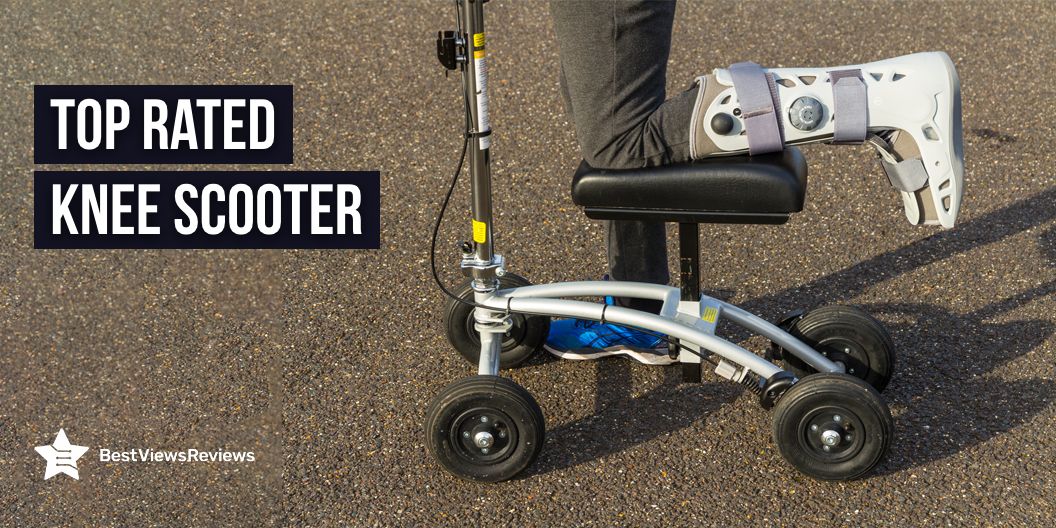

Rolling walkers and Traditional ones can make a significant difference in maintaining mobility, independence, and safety, especially for individuals dealing with balance issues, joint pain, or limited strength. However, they differ notably in design, functionality, and how they impact your daily life.
In this post, we’ll explore the key differences between rolling and traditional walkers, helping you make an informed decision about which one best suits your needs. Additionally, we’ll offer useful tips on maintaining your walker—whether a rolling walker or a traditional one—and answer some questions to guide you along the way.
What Are Rolling Walkers and Traditional Walkers?
Rolling Walkers like Drive Medical RTL10266-T Nitro DLX have wheels on the front, with or without wheels on the back, making them easier to maneuver. They often come with a built-in seat, and many have handles that can be adjusted to suit the user’s height. The design allows for a smoother walking experience, especially for people who have difficulty lifting the walker as they walk.
Traditional Walkers like Carex are typically four-legged devices with rubber tips on the bottom of each leg for stability. Unlike rolling walkers, traditional walkers require the user to lift the walker and move it forward step by step. These walkers provide greater stability and are often preferred by individuals who need more support when walking.
Key Differences Between Rolling Walkers and Traditional Walkers
| Factor | Rolling Walkers | Traditional Walkers |
| Mobility and Ease of Use | They are easier to use, as the wheels allow smoother movement over flat surfaces. Users don’t need to lift the walker with each step, which is especially helpful for those with limited strength or mobility. | They require lifting with each step, which can be challenging for individuals with arthritis, joint pain, or upper body strength issues. |
| Stability (Check this product Planetwalk Premium) | They provide less stability because of the wheels. They may not be the best option for those with severe balance issues. | They offer superior stability since they don’t rely on wheels. They are ideal for people with balance concerns or those prone to falls. |
| Speed and Efficiency | They are faster and more efficient, making it easier to cover longer distances without getting fatigued. The wheels enable smoother, quicker movement. | They tend to slow users down because lifting the walker with every step requires more effort. |
| Portability and Storage (Check it out KneeRover) | They are often bulkier, particularly those with built-in seats or baskets. However, they can typically be folded for easier storage and transport, offering some versatility. | They are usually more compact and lightweight, making them easier to transport and store, though they may lack some features like built-in seats or baskets. |
Factors to Consider When Choosing the Right Walker
When choosing between a rolling and a traditional walker, here are some factors to help guide your decision:
- Your Physical Condition: If you have limited strength or mobility, a rolling walker may be easier to use, as it requires less effort. However, if you struggle with balance issues and need more stability, a traditional walker offers a safer, more supportive option.
- The Terrain: When walking indoors or on flat surfaces, rolling walkers allow for smooth and swift movement. However, for outdoor use, particularly on uneven or rough ground, traditional walkers provide greater stability and might be a more reliable option.
- Comfort and Convenience: Rolling walkers often come with a seat, which is a great feature if you need to take frequent breaks during walks. However, if you don’t need to sit often, a traditional walker may suffice, providing the support you need without additional features.
- Cost: Rolling walkers can be more expensive than traditional walkers due to their additional features like wheels, seats, and handles. If budget is a major consideration, a traditional walker may be a more affordable option.
Maintenance Tips for Rolling Walkers and Traditional Walkers
| For Rolling Walkers | For Traditional Walkers |
| Check the wheels: Inspect the wheels regularly for wear or debris, and clean them to ensure smooth movement. | Examine the rubber tips: Regularly check the rubber tips on the legs for wear and replace them if necessary to maintain proper grip and stability. |
| Tighten the handles: Over time, the handles may loosen. Tighten them as needed to maintain proper height and stability. | Check for frame damage: Inspect the walker’s frame for signs of wear or damage, especially after extended use, as this could affect stability. |
| Lubricate the wheels: Apply a small amount of lubricant to the axles and joints to keep the wheels rolling smoothly. | Keep it clean: Clean your walker regularly to prevent dirt buildup and maintain a safe, hygienic experience. |
Frequently Asked Questions
1. Are rolling walkers better for people with arthritis?
Rolling walkers can be a better option for people with arthritis, especially those with limited strength or mobility. The wheels allow users to move the walker without lifting it with each step, reducing strain on the joints. This feature is helpful for individuals with arthritis in their hands or upper body.
Many rolling walkers also include seats, providing a place to rest when needed. However, if stability is a concern, especially for those with severe balance issues, a traditional walker may offer more support. Ultimately, the best choice depends on the individual’s specific needs.
2. Are there any weight limits on rolling walkers?
Rolling walkers have weight limits, which usually range from 250 to 500 pounds, depending on the model and manufacturer. It’s crucial to check the specifications of the walker you’re considering to ensure it can safely support your weight.
Exceeding the recommended weight limit can compromise the walker’s stability, making it less safe. To ensure safety and optimal performance, always adhere to the manufacturer’s weight capacity guidelines.
3. Are traditional walkers better for people with severe balance issues?
Traditional walkers are often a better choice for people with severe balance issues. Their design offers a solid, stable base without relying on wheels, which provides extra support and reduces the risk of falls. This stability is particularly beneficial for individuals who need a secure, reliable walking aid.
While rolling walkers can offer easier movement, traditional walkers are generally safer for those with significant balance problems, as they ensure more control and steadiness. However, depending on individual needs, rolling walkers with added support features might still be worth considering.
Conclusion
Rolling and traditional walkers improve mobility, but the right choice depends on your needs. A traditional walker is better for stability and balance challenges, while a rolling walker offers ease of movement and comfort for longer distances. Consider factors like your physical condition, terrain, and comfort when choosing. Regular maintenance is key to keeping your walker in good condition, helping you maintain independence and confidence in daily activities.