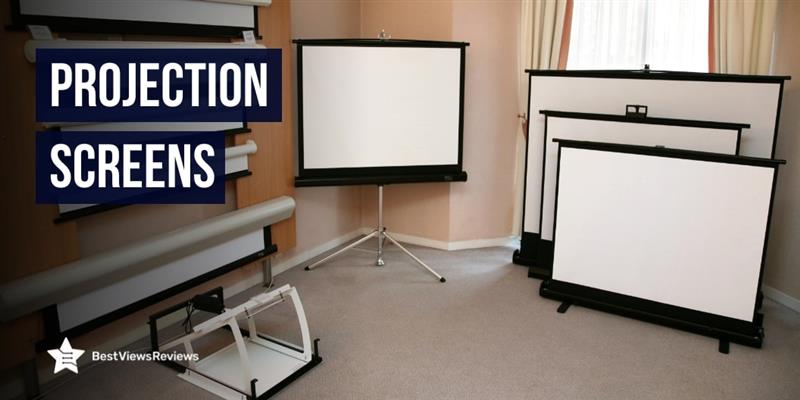
So, you’re finally setting up that dream home theater or upgrading your office presentation set up nicely! But before you fire up the projector, one key piece often gets overlooked: the projection screens.
You might think any blank wall will do, but the truth is that a good projection screen can completely transform your viewing experience. It’s not just about having a surface to display on; it’s about image quality, clarity, contrast, and color accuracy. Whether you’re a movie buff, a gamer, a teacher, or someone just trying to make their slides look sharp in a meeting, the right screen makes all the difference.
This guide is here to help you figure out exactly which type of projection screens fit your space, needs, and budget. We’ll break down the different kinds, materials, features, and what to look for so you can make a confident choice without getting lost in technical jargon.
Why Projection Screens Still Matter in the Era of 4K TVs?
Projection screens offer an experience that TVs simply can’t match, especially when you’re aiming for that true cinematic feel. Whether it’s movie night, a big game, or a weekend gaming session, the immersive scale of a projection screen creates a vibe that even the biggest flat-screen TV can’t compete with.
Think about it: with a projector and the right screen, you can transform any room into your personal theater. Plus, you’re not stuck with one screen size; you get to go huge without breaking the bank. A 100-inch TV? That’s a serious investment. A 100-inch projection screen? Much more accessible.
Even in the age of ultra-HD smart TVs, projection screens are still very much in the game. If you’re after bigger visuals, a flexible setup, and that immersive “wow” factor, a projection screen is absolutely worth considering.
Choosing the Right Type: Fixed, Motorized, Portable & Beyond
When you’re investing in a projection screen for your home, you’re not just buying a surface to project on; you’re shaping your entire viewing experience. Whether you’re into movie nights, gaming marathons, or big-screen sports, the right screen makes all the difference. Here’s what to keep in mind:
Image Quality That Brings Content to Life :
The quality of your screen directly impacts how sharp, vibrant, and true-to-color your projection looks. A good screen enhances contrast and detail, especially with HD or 4K projectors. Look for screens with high reflectivity and smooth textures that help bring out every pixel.
JWSIT 100-inch Manual Pull-Down Projector – The JWSIT 100-inch pull-down projector screen features a manual auto-locking system for adjustable height and easy retraction, plus a slow retract device to prevent damage from fast roll-ups. Made with high-quality PVC material, it offers a smooth, matte surface with a black backing to block light penetration. With a 16:9 aspect ratio, 1.1 gain, and support for 4K and 3D content, it delivers sharp visuals and wide viewing angles.
Material Durability You Can Count On :
Your screen will face a lot of rolling up, unrolling, and maybe even moving outdoors sometimes. That’s why you need one made of durable materials that resist warping, creasing, and fading over time. Matte finishes are a great option for long-term use.
STR-169120 Silver Ticket 120″ Diagonal 16:9 4K Ultra HD – This Wall-Mounted Fixed Frame Projection Screen offers a 120″ diagonal viewing area with a 16:9 aspect ratio, ideal for home theaters using long, short, or ultra-short throw projectors (except some UST models). It features a 1.1 gain white screen surface with a wide 160° viewing angle and supports Full HD, 4K/8K, and Active 3D content. The heavy-duty aluminum frame is wrapped in black velvet to absorb excess light and enhance image contrast.
Simple Setup Without the Stress :
No one wants to spend hours figuring out a complicated installation. Whether it’s wall-mounted, ceiling-mounted, or portable, go for a screen that comes with clear instructions and easy mounting options. Bonus points if it includes a remote or motorized function!
GT GETCO TECH Projector Screen with Stand Foldable – This 100-inch portable projector screen with stand features a 16:9 format and 160° wide viewing angle, supporting both front and rear projection for sharp, high-resolution images. Built with durable metal and fiberglass rods, it’s designed for long-lasting use indoors or outdoors. Setup is quick and tool-free, just hang and snap into place. It’s lightweight and travel-friendly, folding compactly into an included carry bag for easy transport to movie nights, camping trips, or presentations.
Adjustability That Fits Your Space :
Your screen should fit your room, not the other way around. Look for adjustable height or retractable options so you can fine-tune it to your setup. Tripod and pull-down models are perfect if you need flexibility.
AAJK 150-inch, Washable 4K Projector Screen – This 150-inch projector screen is crafted from 100% movie screen fabric, offering a crease-free, nontransparent surface that enhances brightness and color clarity. Designed in a 16:9 format with a 160° wide viewing angle, it provides a 132″ x 73″ viewing area, perfect for both home theaters and outdoor setups. Easy to mount using hooks, brackets, or double-sided tape, and portable with a compact, foldable design for easy storage and travel. Ideal for home theaters, offices, outdoor movie nights, or gaming, this screen is backed by professional after-sales service to ensure satisfaction.
Wide Viewing Angles for Group Watching :
Planning to watch with friends or family? You’ll want a screen with a wide viewing angle, so everyone gets the same great picture no matter where they’re sitting. Screens with a 160° angle or more offer great visibility from almost anywhere in the room.
GAINVANE 120-inch Portable Projector Screen – This 120-inch projector screen with a detachable tripod is made of heavy-duty materials, ensuring durability without bending or breaking. It features a 16:9 format, a 160° wide viewing angle, and a wrinkle-free surface crafted from polyester milk silk, making it thicker, non-transparent, and easy to clean. The screen supports both front and rear projection and is foldable for convenience. Assembly is quick, with no tools required, and it comes with ground stakes, ropes, and sandbags for outdoor stability.
Handling Ambient Light Like a Pro :
If your room isn’t pitch-black, that’s okay. Some screens are built to reject ambient light, keeping colors crisp and blacks deep even in brighter environments. Consider gray or ALR (Ambient Light Rejecting) screens for the best results in rooms with windows or overhead lighting.
GYUEM 20-foot Inflatable Portable Projector Movie – This mega inflatable movie screen is set up in under 2 minutes, complete with an air blower, rope, tent, and inflatable stake. Designed with double-sided projection, both the front and back of the screen deliver clear, high-quality images for a better viewing experience. It’s incredibly portable and lightweight, and comes with a storage bag for easy transport to any event.
White, Gray, or Silver: Understanding Screen Materials and Gains
You might think a screen is just a screen, but trust us, once you’ve seen the difference in real life, there’s no going back.
White Screens – The Classic Choice :
If you’re setting up your projector in a dark room like a home theater matte white screens are a solid go-to. They reflect light evenly, giving you bright, vibrant images without distorting colors. They also offer wide viewing angles, which means everyone on the couch gets a great view, not just the person in the middle.
Gray Screens – The Contrast Booster :
Now, if your room isn’t pitch black or you have some ambient light sneaking in, gray screens step up. These are designed to enhance black levels and contrast, giving your movies or presentations deeper tones even in brighter spaces. They’re a great match for projectors with high brightness, especially in living rooms or multipurpose areas.
Silver Screens – The Niche Performer :
Silver screens are less common but very effective in certain setups. They’re known for preserving brightness and enhancing contrast, making them popular for 3D or high-definition content. You’ll often find silver screens in professional or commercial environments.
Maintenance & Care Tips to Keep Your Screen Looking New
Buying a good projection screen is an investment, but keeping it clean and well-maintained ensures you get the best picture quality for years to come. Don’t worry, it doesn’t take much effort. Just a little care now and then goes a long way.
Dust It Regularly :
Dust is the biggest enemy of clear projection. Use a soft microfiber cloth or a feather duster to gently wipe the surface. Avoid using anything abrasive that could scratch the screen.
Clean Smudges Carefully :
Got fingerprints or smudges? Dampen a microfiber cloth with distilled water or a screen-safe cleaner. Lightly wipe the area, never scrub. And definitely avoid harsh chemicals, as they can damage the screen’s coating.
Keep It Away from Direct Sunlight :
Exposure to direct sunlight over time can cause discoloration. If your projection screen is installed near a window, consider adding curtains or blinds to reduce UV damage.
Store Portables the Right Way :
If you’re using a portable or pull-down screen, always roll it up after use and store it in a dust-free area. Avoid bending or folding the screen, as that can leave permanent creases.
Check for Tension & Wrinkles :
Tensioned screens should stay taut. If you notice sagging or wrinkles, it might be time for a tune-up or adjustment. A smooth surface = a sharp picture.
Frequently Asked Questions
1. What is the best type of projection screen for home theater?
If you’re building a home theater setup, you’ll want a fixed frame projection screen or a motorized screen. Fixed screens offer a clean, professional look with no wrinkles or movement, perfect for dedicated media rooms. Motorized screens are great if you’re short on space or want a more flexible setup that can disappear at the push of a button. Pair either with a matte white or gray surface, depending on your lighting conditions, and you’re good to go.
2. Can I use a wall instead of a projection screen?
Technically, yes, you can use a wall. But should you? Not really. A standard wall doesn’t have the same reflective coating that a proper projection screen does, so you’ll lose out on brightness, contrast, and clarity. If you want the full cinematic experience, a screen is 100% worth it. Plus, projection screens are designed to enhance image quality, especially with HD and 4K projectors.
3. Are motorized projector screens worth it?
If you want convenience and a cleaner aesthetic, absolutely. Motorized projection screens are ideal for multi-purpose rooms or setups where you don’t want the screen visible all the time. With just a remote (or even a smart home setup), you can roll your screen up and down without lifting a finger. They also tend to stay in better shape over time since they’re less likely to be handled roughly.