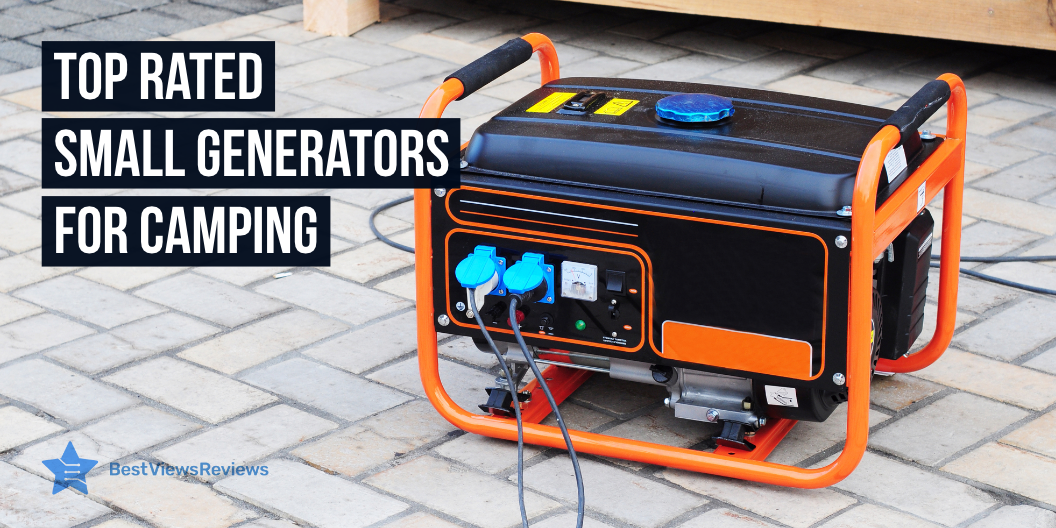
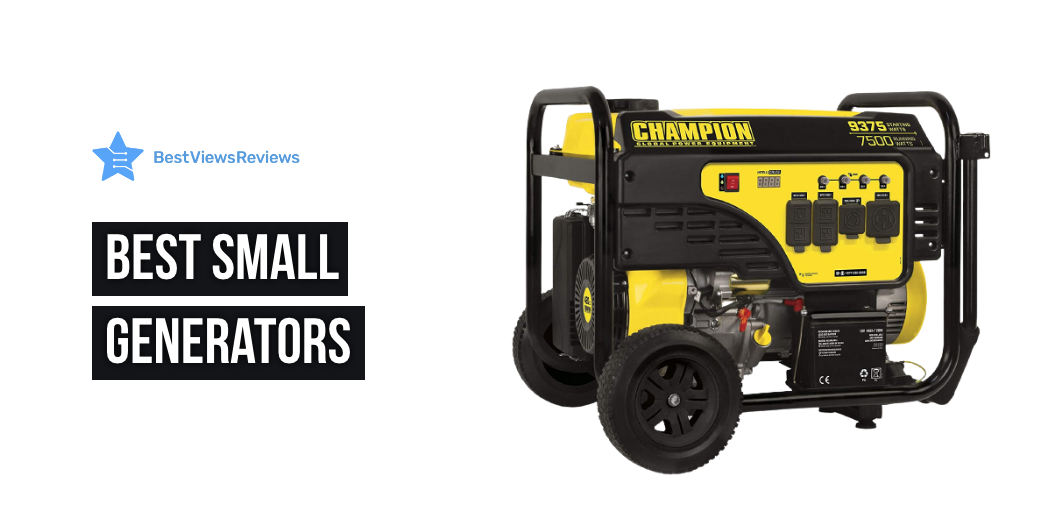
A small generator is a device that creates electrical energy to power appliances. The electrical energy is created by spinning a turbine, which then drives an alternator to create an electric current. The turbine can be powered by fossil fuels such as natural gas, propane, gasoline, or diesel, or it can be powered by renewable sources such as water, wind, or solar. The size of the generator is determined by the power output of the turbine. The smallest size generator is typically around 200 watts to 600 watts. The price of a small generator varies depending on the size and power output, but they typically range from $200 to $2,000. You can use the small generators to power a variety of devices, including lights, appliances, tools, and medical equipment.
Important Factors to Consider Before Purchasing a Small Generator
Power and Outlets
A generator can have many types of outlets, each designed for a specific purpose. The most common outlet on a generator is the 120-volt, 20-amp outlet. This outlet is typically useful in powering small appliances like a coffee pot or a toaster. Other common outlets include the 240-volt, 30-amp outlet, which is used to power a clothes dryer. The 240-volt, 50-amp outlet can power an RV air conditioner.
Some small generator models like Jackery Portable Power Station Explorer 240 also come with two USB-A ports (5V, 2.4A), and one 12V DC car port to let you charge your road trip essentials.
While most generators have at least one 120-volt, 20-amp outlet, not all generators have outlets for every type of appliance. For example, some generators only have a single 120-volt outlet, while others have multiple 120-volt outlets and one or more 240-volt outlets. If you’re not sure which outlets your generator has, consult the owner’s manual or the manufacturer’s website.
CO Detection
A CO detector on a generator is a device that monitors the levels of carbon monoxide in the air and sounds an alarm if they become too high. Carbon monoxide is a colorless, odorless, and poisonous gas that is produced when fuel is burned. generators produce carbon monoxide when they are running, so it is important to have a CO detector in the same room as the generator.
How important is CO sensor on the generator?
A CO sensor is extremely important on a generator because it can save your life. If you are using a generator, make sure to install a CO detector in the same room and keep it running while the generator is running.
Do portable generators give off carbon monoxide?
Yes, portable generators give off carbon monoxide when they are running. This is why it is so important to look for a CO detector with your small generator. If you are using a top-rated portable generator, make sure to follow the manufacturer’s instructions for safe use, including proper ventilation.
Bluetooth
The Bluetooth on a generator allows you to connect your generator to a smartphone or other device so you can control it remotely. This can be useful if you need to start the generator from a distance, or if you want to monitor the generator’s performance without being in the same room.
Company Reputation
It is important to consider the reputation of your selected brand. There are a few key factors that go into making a good generator, and the reputation of the company is one of the most important. The top generator manufacturers are Honda, Generac, Champion, DuroMax, and WEN. For small-sized models, DBPower and Jackery have a good reputation for making high-quality generators.
If you are looking for a generator, these are the companies you should look at. These companies all have good reputations for making high-quality generators.
Battery-Powered Options
A battery-powered generator is a great option for those who need a small, portable power source. These generators are usually much smaller and lighter than traditional gas-powered generators, making them easy to transport. Additionally, battery-powered generators are much quieter than their gas-powered counterparts, making them ideal for use in camping and other outdoor activities.
The best-rated battery-powered generators work by converting the chemical energy of a battery into electrical energy. This electrical energy can then be used to power devices such as laptops, phones, lights, and other small appliances. Most battery-powered generators have a built-in inverter, which converts the DC power of the battery into AC power that can be used by standard household appliances.
The biggest advantage of battery-powered generators is their portability. Unlike gas-powered generators, which can be quite heavy and difficult to transport, battery-powered generators are usually quite small and light. This makes them perfect for camping, as they can be easily carried in a backpack or car.
The biggest downside of battery-powered generators is their limited run time. Most battery-powered generators will only be able to run for a few hours before needing to be recharged. This is fine for short-term power outages or for powering small devices, but it is not ideal for long-term use. For extended power outages, a gas-powered generator may be a better option.
If you are looking for a small, portable power source, a battery-powered generator like the top-quality Portable Power Station Explorer 500 can be your best go-to choice. This model has a 518 watt-hour capacity and can power many appliances like the mini cooler, fan, projector, lamp light, and TV.
Size Requirement
There are a lot of factors to consider when trying to determine the size of generator you need for your home. The first step is to understand your power requirements. How much power do you need to run your home? This will be determined by the number of appliances and devices you need to run at the same time. The next step is to understand the startup wattage of your appliances and devices. This is the amount of power required to start them up. Once you have a good understanding of your power requirements, you can start to look at generators.
When looking at generators, you need to consider the wattage rating. This is the maximum amount of power the generator can produce. You also need to consider the running wattage. This is the amount of power the generator can produce continuously. If you have a lot of appliances and devices that require a high startup wattage, you will need a generator with a high wattage rating.
Run Time
The run time of a generator is the amount of time that the generator can run continuously without needing to be refueled or rested. The run time of a generator is affected by a number of factors, including the size of the generator, the fuel type, and the load on the generator.
The size of the generator is one of the most important factors in determining the run time. A small generator, such as a 200-watt generator, will have a shorter run time than a larger generator, such as a 2000-watt generator. The fuel type is also an important factor. A generator that runs on gasoline will have a shorter run time than a generator that runs on propane. The load on the generator is also a factor. A generator that is only powering a few light bulbs will have a longer run time than a generator that is powering a refrigerator and a television.
In general, a generator can run for 6-18 hours on a full tank of fuel. A generator should not be run for more than 24 hours at a time. If a generator is going to be used for an extended period of time, it is recommended that the generator be rested for 30 minutes for every 3 hours of use. This will help to prevent the generator from overloading and damaging the engine.
Noise Level
Generators are a vital part of our lives, providing us with the power we need to run our homes and businesses. But they can also be a source of noise pollution, which can be a nuisance to our neighbors and a health hazard to ourselves.
The noise level of a generator is measured in decibels (dB), and the level of noise pollution is regulated by the Environmental Protection Agency (EPA). The EPA has set the maximum noise level for generators at 95 dB, but some generators can be as loud as 100 dB.
The level of noise pollution from a generator can be reduced by using sound-dampening materials, such as acoustic foam, to cover the generator. Another way to reduce noise pollution is to use a generator that has quiet operation, such as a silent generator.
Silent generators are available for sale, and they are the quietest type of generator on the market. The noise level of a silent generator is between 50 dB and 60 dB, which is about the same as the noise level of a normal conversation.
If you are looking for a generator for your home or business, consider a silent generator. It is the best way to reduce noise pollution and to keep your neighbors and yourself safe from the harmful effects of noise.
EFI (Electronic Fuel Injection)
EFI generators are small generators that utilize an electronic fuel injection system instead of a carburetor. This system injects fuel directly into the engine cylinder, where it is then combusted.
EFI works by constantly monitoring the engine’s intake air temperature, mass airflow, and throttle position. Based on this information, the system then calculates the correct amount of fuel to inject. This ensures that the engine always has the correct air-fuel mixture, regardless of operating conditions.
You should look for EFI generators because they are more efficient than traditional carbureted models, and they also produce fewer emissions. In addition, EFI generators are less susceptible to fuel-related issues, such as vapor lock and carburetor icing.
What’s the difference between fuel injection and EFI?
Fuel injection is a general term that refers to any system that injects fuel into an engine. EFI specifically refers to a system that uses electronic sensors and controls to manage the fuel injection process.
Wheel Kit
No matter what type of generator you have, at some point you’re going to need to move it. That’s where a generator wheel kit comes in.
A generator wheel kit is a set of wheels that attach to the generator, making it easier to move. Most kits include 4 or 5 wheels, as well as a handle for steering.
Fuel Type
The fuel type of a small generator can have a big impact on its overall performance. Gasoline, diesel, and propane are all common choices, but each has its own set of pros and cons.
Gasoline is the most common type of fuel for small generators. It’s relatively inexpensive and easy to find, but it can be messy and difficult to store. Diesel is another popular option, and it has the advantage of being more efficient than gasoline. But, it can be more expensive and difficult to find.
Propane is a less common choice for small generators, but it has a number of advantages. It’s clean-burning and easy to store, and it’s also relatively inexpensive. Propane generators can be less powerful than gasoline or diesel models. When choosing a fuel for your small generator, it’s important to consider your needs and budget. Gasoline and diesel are the most common choices, but propane can be a good option if you’re looking for something that’s clean-burning and easy to store.
Fuel Tank
A fuel tank is a safe container that stores fuel for a generator. The fuel tank of a generator typically holds between 5 and 20 gallons of fuel. The size and capacity of a fuel tank will vary based on the make and model of the generator. Some generators have fuel tanks that are integrated into the generator, while others have separate fuel tanks.
Fuel tanks are an important part of a generator as they help to ensure that the generator has a consistent supply of fuel. A generator with a large fuel tank will be able to run for a longer period of time than a generator with a smaller fuel tank. When choosing a fuel tank for a generator, it is important to consider the size of the generator and the amount of fuel that will be required. A larger generator will require a larger fuel tank, and a generator that will be used for extended periods of time will require a larger fuel tank.
What Is The Smallest Size Generator You Can Buy?
The smallest size generator you can buy is the PROGENY 300W Portable Power Station. It is a small, lightweight generator that is perfect for camping or RVing. It can also be used to power small appliances in an emergency. This model weighs only 7lb.
What Can a Small Generator Power?
A small generator can power a lot of things. For example, a 2000-watt generator can run a refrigerator, a coffee maker, a microwave, a toaster, a hair dryer, and a laptop computer.
What Size Generator Do I Need for Home Use?
When you’re trying to determine what size generator you need for your home, the first step is to calculate your power usage. This will help you figure out how much power you need to generate in order to keep your home running. There are a few different ways to do this, but the easiest is to use a power usage calculator.
Once you know how much power you need, the next step is to find a generator that can provide that much power. For average power consumption, you can look for generators that can supply 5,000 to 7,500 watts of power. Small generators with a capacity under 500 watts are good for camping, home emergency, travel, and van life.
How Big of a Generator Do I Need to Run My Air Conditioner?
It’s no secret that air conditioners require a lot of power to run. In fact, most air conditioners require more power than the average household circuit can provide. That’s why, when the power goes out, your air conditioner is usually one of the first things to go.
If you’re looking to keep your air conditioner running during a power outage, you’re going to need a generator. But how big of a generator do you need?
The answer depends on the size of your air conditioner. Most air conditioners require between 3 and 5 kilowatts of power to run. But, you will need a 14-kilowatt generator if you have a 3-ton air conditioner.
Of course, the size of the generator you’ll need also depends on the other appliances and electronics you’ll be running off of it. So, if you’re looking to run your air conditioner and a few other devices, you’ll need a generator that can provide at least 5 kilowatts of power.
Conclusion
Small generators are a great way to save money on your energy bill. By generating your own electricity, you can avoid the high cost of traditional energy sources. These machines can also reduce your carbon footprint.
The power outage will not ruin your plans if you have a home standby generator. Read our other blog to understand why home standby generators have become a necessity.
Get the best reviews and ratings on the products you’re interested in. BestViewsReviews helps you make the right purchasing decision. Whether you’re looking for the top-rated inverter generators or the best power inverters, we’ve got you covered.