If you’re serious about cycling, a reliable cycling computer can transform your ride. In 2025, cycling computers have become smarter, more precise, and packed with features that help you track your performance, navigate new routes, and stay connected on the go. However, with numerous options available, selecting the right cycling computer can be overwhelming.
This guide breaks down what to look for, so you can select cycling computers that perfectly fit your riding style, goals, and budget.
What are Cycling Computers?
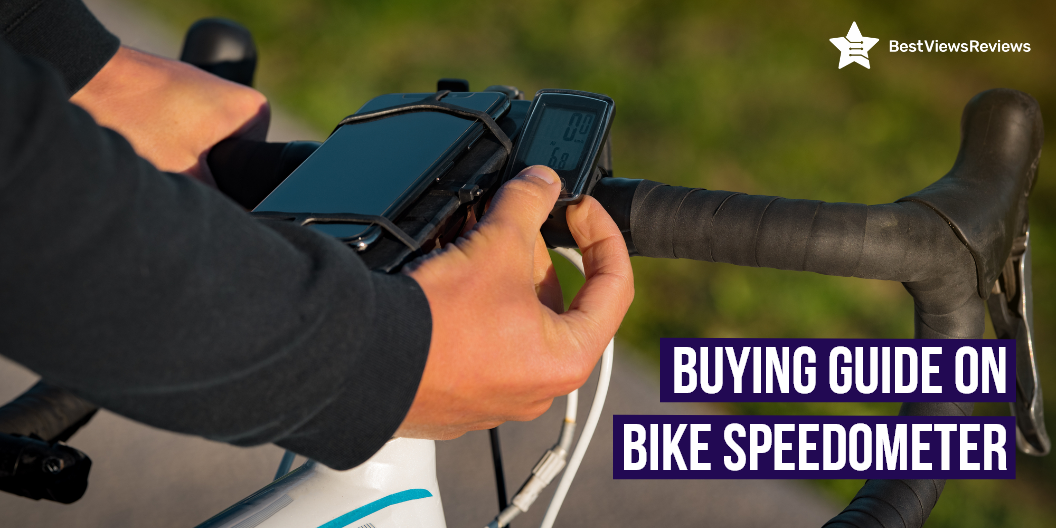
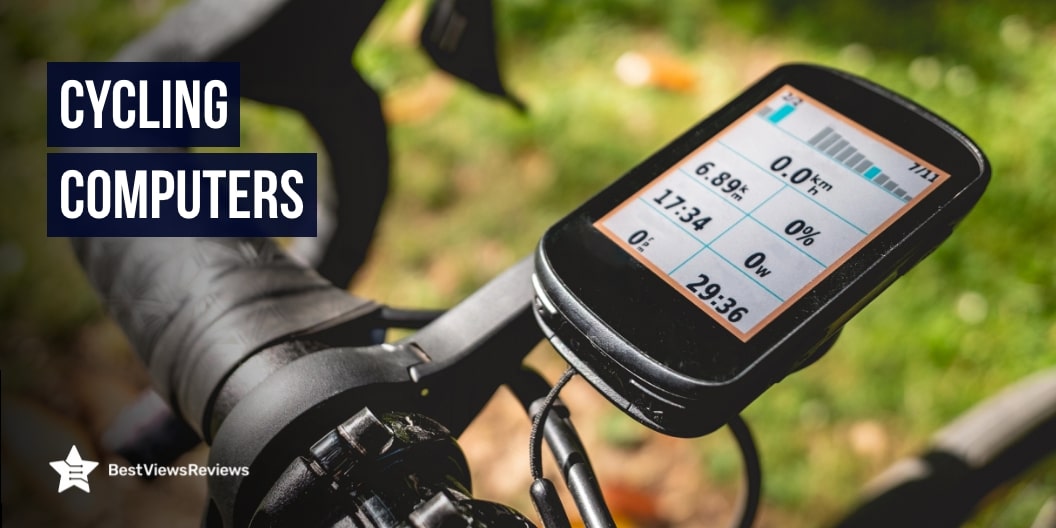
Cycling computers are handy gadgets designed to help cyclists track their rides and improve their performance. These devices mount on your bike’s handlebars and display real-time data like speed, distance, time, and sometimes even GPS navigation. Whether you’re a casual rider or a serious cyclist, a cycling computer gives you instant feedback and valuable insights about your ride.
In 2025, cycling computers will become smarter and more versatile, offering features like heart rate monitoring, route mapping, and even connectivity to your smartphone. With so many options available, understanding what cycling computers do is the first step to choosing the right one for your needs.
Key Benefits of Using Cycling Computers
Cycling computers have become an essential tool for both casual riders and serious cyclists in 2025. They help you track your ride in real-time, offering detailed insights into your speed, distance, and route. With accurate GPS tracking, you can explore new trails confidently without worrying about getting lost.
Many models also monitor your heart rate, cadence, and power output, helping you train smarter and improve your performance. By analyzing this data, you can spot areas where you’re excelling and identify where you need to push harder.
Additionally, cycling computers keep you connected. They pair seamlessly with your smartphone, allowing you to receive calls, texts, and notifications right on your device so you stay focused on the road without missing important updates.
Finally, these gadgets motivate you to ride more consistently by setting goals and tracking your progress over time. Whether you want to improve your fitness or just enjoy your rides more, a cycling computer makes every pedal stroke count.
How to Choose the Right Cycling Computers for Your Needs
Accuracy :
Your cycling computer should give you precise data, whether it’s speed, distance, or cadence. Look for models that utilize GPS in conjunction with sensor input for the most accurate readings. The more accurate the data, the better you can track your performance and progress.
iGPSPORT iGS630 GPS Bike Computer – This bike computer offers global GPS coverage using five satellite systems for fast, accurate positioning. It features offline map navigation with route previews, turn prompts, and off-course warnings. You get over 150 riding data metrics, including speed, cadence, and calories, plus a special climbing route preview called iClimb. The device connects with the iGPSPORT app for detailed data analysis and sharing on platforms like Strava and Komoot.
Battery Life :
Nothing’s worse than your device dying mid-ride. Choose a cycling computer with long battery life that matches your typical ride duration. Some devices now offer quick charging or even solar options, so you can stay powered up no matter how far you go.
Cateye Enduro CC-ED400 Computer – The Enduro cycling computer shows all your key stats like current, max, and average speed, distance, time, calories, and even carbon offset. It’s built tough with a heavy-duty wire to handle daily use. With a simple single-button design, you can easily switch functions without distraction. It also automatically pauses your ride time and speed when you stop, like at traffic lights or breaks, so your data stays accurate.
Connectivity :
A cycling computer that easily connects to your smartphone, heart rate monitors, or power meters adds value. Check if the device supports Bluetooth, ANT+, or both. Seamless connectivity helps you sync your ride data to apps for detailed analysis and sharing.
COOSPO Bike Computer GPS Wireless, ANT+ Cycling – Coospo’s GPS bike computer offers two global positioning modes for accurate tracking worldwide, with an initial outdoor setup of 3-5 minutes. It connects easily to heart rate monitors, speed and cadence sensors, and power meters via ANT+. Using the CoospoRide app, you can quickly set up the device, load routes, analyze rides, and update firmware. It syncs your rides directly to Strava via Bluetooth and stores up to 80 hours of data.
Display Clarity :
You want to see your stats clearly, even in bright sunlight or rainy conditions. Look for screens with high resolution, good contrast, and backlighting. A clear display helps you stay informed without squinting or fumbling while riding.
CAT EYE, Velo Wireless Bike Computer – This CatEye Velo Wireless cycling computer shows all your essential stats like current, max, and average speed, distance, elapsed time, calories burned, and more. You can manually set the odometer, so your mileage stays accurate even after changing the battery. It comes with a sturdy zip-tie bracket to securely attach to your handlebars. Plus, it automatically pauses your ride time and speed when you stop, so your data stays precise during breaks.
Durability :
Your cycling computer needs to withstand the elements, rain, dust, bumps, and crashes. Opt for rugged devices built with water resistance and tough casing. Durable cycling computers give you peace of mind on every adventure.
Bryton Rider 420E GPS Bike/Cycling Bike Computer – The Rider 420 is a lightweight cycling computer with a sharp 2.3-inch black-and-white screen for easy reading in any light. It offers up to 35 hours of battery life, perfect for long rides. Global GPS tracking across five satellite systems provides accurate navigation with turn prompts and points of interest. It supports over 80 functions, including cadence, power, and heart rate, and connects via Bluetooth and ANT+ to sensors and power meter pedals.
Ease of Installation :
No one wants to spend hours fiddling with mounts and setups. Choose a model that’s easy to install on your handlebars or stem. Some come with universal mounts or quick-release systems, so you can move your computer between bikes effortlessly.
CATEYE – Velo Wireless Plus Bike Computer – The Velo Wireless Plus comes with a zip-tie mount for easy attachment to your stem or handlebars. Its backlit display lets you ride confidently even after dark. You’ll get all your favorite stats like current, max, and average speed, distance, elapsed time, calories burned, pace arrow, and clock. Plus, you can manually set the odometer to keep your mileage accurate after battery changes. It’s a reliable companion that also helps you track your calorie burn for better health monitoring.
Ease of Use :
Finally, pick a cycling computer with an intuitive interface. Simple button layouts or touchscreen controls make navigating menus and switching screens hassle-free. When riding, you want to focus on the road, not struggle with complicated controls.
DINOKA Bike Speedometer Waterproof Wireless Bicycle – This compact, lightweight, and waterproof bike computer offers all the essential functions serious cyclists need, including speed, distance, and riding time. It features an auto-wake-up function that puts the display to sleep after 5 minutes of inactivity and instantly wakes when it detects movement. The backlight automatically turns on at night for easy viewing, and the simple two-button design makes it easy to use.
Cycling Computer Price Ranges & What You Get
When shopping for cycling computers in 2025, it’s important to understand what your budget can get you. Cycling computers come in a variety of price ranges, each offering different features tailored to your riding style and needs.
Budget Models (Under $100) :
If you’re a casual rider or just starting out, budget cycling computers provide essential functions like speed, distance, and time tracking. These basic devices are easy to use and usually come with a simple display. You won’t get advanced GPS or mapping features here, but they’re reliable for everyday rides and training.
Mid-Range Models ($100 – $300) :
Cyclists who want more accuracy and extra features will find plenty of options in this range. Mid-range cycling computers often include GPS tracking, heart rate monitoring, and connectivity with smartphones or sensors. You can expect better screen quality and longer battery life, making these models perfect for regular riders who want detailed data.
High-End Models ($300 and Up) :
For serious cyclists and professionals, high-end cycling computers deliver comprehensive performance tracking with advanced GPS navigation, turn-by-turn directions, and integration with various apps and sensors. Many also offer customizable screens, touchscreen controls, and durable designs for all weather conditions. If you ride competitively or want the latest tech, investing in a premium cycling computer makes sense.
No matter your budget, there’s a cycling computer out there that matches your needs. Knowing what features come with each price range helps you make a smart purchase in 2025.
Common Mistakes to Avoid While Using Cycling Computers
Cycling computers can be a game-changer for tracking your rides, improving your performance, and navigating new routes. However, many cyclists make simple mistakes that reduce the benefits these devices offer. Here are some common errors to watch out for:
- Skipping the Setup Process: Many riders grab their cycling computer and hit the road without properly setting it up. Failing to calibrate sensors or inputting inaccurate wheel size data leads to wrong speed and distance readings. Always take a few minutes to complete the initial setup and calibration. It ensures your data stays accurate and reliable.
- Ignoring Firmware Updates: Cycling computer manufacturers frequently release firmware updates to fix bugs and add new features. Skipping these updates can cause glitches or even shorten battery life. Make it a habit to check for updates regularly and install them to keep your device running smoothly.
- Overloading the Display: It’s tempting to customize your screen with tons of data fields, but too much information can overwhelm you mid-ride. Focus on the key stats you actually need, like speed, distance, time, and heart rate. A clutter-free display helps you stay focused on the road and your performance.
- Forgetting to Charge Before Long Rides: Running out of battery during a long ride is a frustrating experience. Always charge your cycling computer fully before heading out, especially if you plan on using GPS and other power-hungry features. Carry a portable charger if you’re going on extended adventures.
- Not Syncing Data Regularly: Your ride data is valuable for tracking progress over time, but it’s only useful if you sync it regularly to your phone or computer. Avoid losing your stats by syncing after every ride. This also makes it easier to analyze your performance and share your achievements.
Frequently Asked Questions
1. Is GPS necessary in a cycling computer?
Yes, GPS is a key feature in most cycling computers today. It helps you track your route, speed, and distance accurately without needing your phone. If you love exploring new trails or want detailed ride data, a GPS is definitely worth having.
2. What’s the difference between ANT+ and Bluetooth in cycling computers?
ANT+ and Bluetooth are both wireless technologies that connect your cycling computer to sensors like heart rate monitors, cadence sensors, or power meters. ANT+ is great if you want to connect multiple sensors at once, and is popular in the cycling world. Bluetooth is more common in smartphones and apps, making it easier to sync your ride data. Many modern cycling computers support both, so you get the best of both worlds.
3. Can a cycling computer connect to apps like Strava or Komoot?
Absolutely! Most cycling computers can connect to popular apps like Strava and Komoot, either directly or by syncing through your phone. This lets you upload your rides, plan routes, and analyze your performance with ease.
4. How long does the battery last on a cycling computer?
Battery life varies depending on the model and features you use. Basic cycling computers without GPS can last weeks on a single charge, while GPS-enabled models usually last between 10 and 30 hours. Some high-end devices even offer extended battery modes or quick charging options for longer rides.