Chainsaw Repair: Common Problems and Solutions

chainsaw repair

Chainsaw repair is a sure way of keeping your chainsaw up and running. Chainsaws are innovative modern gadgets, intended to make our lives simpler by cutting trees and chopping wood. These outdoor tools help us save abundant time and effort.

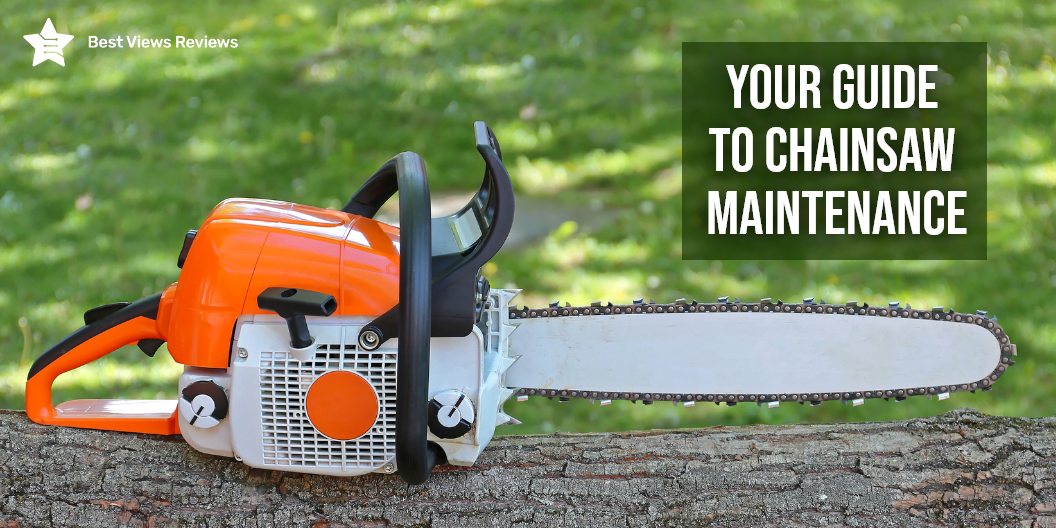
To ensure that a chainsaw keeps working perfectly, a proper maintenance regime is important. The important parts of a chainsaw like a chain, brake, oiler, etc. need regular maintenance and cleaning to function well. This blog is a complete step-by-step guide to help you understand what the maintenance of a chainsaw includes. You can visit BestViewsReviews for the best chainsaw buying options.

Chainsaw Repair: Common Problems

Chain Tensioning Does Not Work

Some chainsaws have a mechanism that prevents over tensioning. Even if you have followed the correct procedure for adjusting tension, the tensioning screw may still be damaged. Adjusting the chain properly can be challenging. Your chain should have no slack visible, but you need to be able to move it easily around the guide bar. You should be able to pull your chain slightly away from the guide bar. It is important to do this correctly to prevent damage to your chain.

Chain Does Not Oil

Chain oil runs from the tank through a tube into the groove where the chain moves around the guide bar, then into the guide bar itself. There could be wood shavings or dirt lodged in the chain or a blockage in the line leading to the chain-oil tank. If the chain does not oil, it may be clogged with wood shavings or dirt. Preventing ensures that you clean the chainsaw afterward. Alternatively, you can try to run the saw without the bar to see if the oil is being pumped out.

Engine Will Not Turn Over

Fuel line blockage, faulty spark plugs, and mistuned choke are all possible reasons why a petrol chainsaw won’t start. It is still possible for petrol chainsaws to be difficult to start, even if all the parts are in good condition. You should clean your chainsaw thoroughly after every use. Remove all covers so you can reach every part. Make sure your oil filters are clean and drain your fuel tank regularly. Regular maintenance is a must.

Chain Brake Failed

Chain brakes work by clamping a band around the drive mechanism that turns the chain so that it cannot turn. This is held in place by a spring, and it is this that usually breaks down. A chain brake needs to function properly, and adjusting and repairing it is a specialist job. Schedule regular maintenance for your chainsaw so that problems can be addressed before they occur.

Chainsaw Isn’t Cutting

If you see smoke from your chainsaw or it powders the wood rather than producing small chips, the chain is dull and needs to be resharpened. You will quickly dull the teeth of the blade if the blade accidentally hits metal or dirt. To sharpen the chain, the right files are essential since it is a tricky job. So, it is advisable to follow the instructions carefully. The reviews of Amerfist 4 Inch Electric Power chainsaw indicate a sharp blade with sufficient lubrication and quality parts.

How to Do Chainsaw Repair

It is pivotal to understand that operating the chainsaw in the right way will also ensure its polished functioning over a period of time, which is indeed quite valuable for proper maintenance of the blade. Thus, check out our blog on beginners guide to learn more.

Condition the Air Filter

When you use a chainsaw, small particles and dust tend to get accumulated, clogging your filter. If not checked, this clogging will interfere with the oil flow that is much-needed for lubrication. Otherwise, the chainsaw chain and guide bar may malfunction. Always clean the chainsaw filter in warm soap water. However, all filters cannot be cleaned, some need to be replaced depending on the model you are using. Reviews of BLACK+DECKER Lopper Chain Saw, 4.5-Amp suggest that it comes with an easy to clean and reusable filter for convenience.

Sharpen The Chainsaw

In order for a chainsaw to work well, it is imperative for the blade to maintain its sharpness. If you are using a lot of force to cut a small portion of the wood, then the chainsaw is not sharp enough.  At such a chainsaw chain sharpener will come in handy. The reviews of Seesii 4-Inch Cordless Electric Pruning Chain Saw come to indicate a durable chain and bar that doesn’t easily become blunt and cuts effectively. You can read our blog on resetting the chainsaw chain if the equipment malfunctions even after sharpening.

Keep an Eye on the Smaller Parts

A chainsaw is built of many components, big and small. When a chainsaw works, it maintains a constant vibration. Such actions may loosen the smaller components resulting in the malfunctioning of a chainsaw. So, an eye or smaller components will help. This is especially helpful if, you are using a used chainsaw and the parts are old as compared to a brand-new one. The review of Sun Joe SWJ807E 10 inch reveals that it comes with a convertible model and lesser small parts.

Chainsaw Repair FAQs

Why Does my Chainsaw Chain Pull or Cut to One Side?

The chain in your chainsaw may be malfunctioning if it pulls to one side when you cut or cut crookedly. Ensure that the top plates, which sit on each tooth on the chain, are the right size. Each top plate should be equal in size. The reviews of the DEWALT 20V MAX XR Chainsaw Kit suggest that it comes with quality parts that allow it to function effectively without any faults.

How Do I Lubricate the Bar and Chain on my Chainsaw?

Rapeseed oil, commonly called canola oil, is the most common chain-and-bar lubricant. Vegetable oil is a natural ester or triglyceride that comes from agricultural crops and is good for chainsaw and bar lubrication. We have a dedicated blog in chainsaw oil to help you know more about chainsaw oil and lubrication.

My Chainsaw Starts and Then Dies, What is Wrong With It?

A partially or completely blocked air filter can starve the engine of fuel, causing your chainsaw to die. If your chainsaw runs for a few seconds and then dies, then you should immediately clean the air filter. You should, however, replace a damaged air filter.

Chainsaw Repair: Conclusion

There are many people who are hesitant towards owning a chainsaw, owing to its complex nature. However, modern tools like chainsaws and chainsaw accessories are created for our convenience. But, they can become complex only if not maintained properly.

A properly maintained chainsaw will make your work easy while keeping you safe during the cutting process. Remember the more you maintain, the more you will get to know your chainsaw. BestViewsReviews lists some of the most reviewed and recommended chainsaw product variants in its featured section. Take a look to know more about your buying options.
How to Reset the Chainsaw Chain: A Guide

how to reset a chainsaw

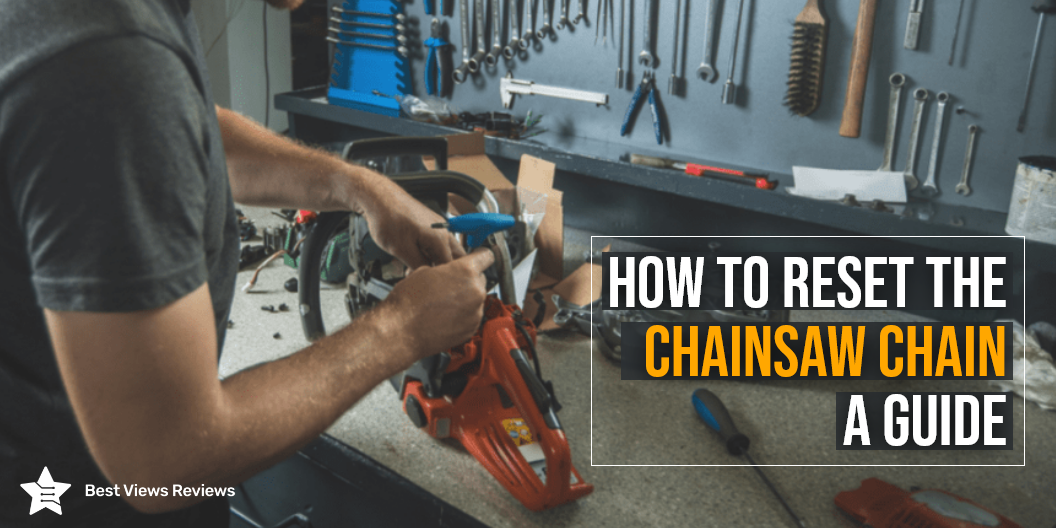
The technique to reset the chainsaw chain may seem easy but if not done properly may lead to malfunctioning of the chainsaw or worse, injuries. Chainsaws are robust yet sometimes tricky machines with multiple small parts and pieces. The chainsaw chain and the guide bar are some of the crucial parts of this machine.

Often when you use a chainsaw for longer periods, the chainsaw may get stuck in a cut, resulting in the derailing of the chainsaw chain from the guide bar. This happens because the chainsaw heats up and loosens allowing the chain to slip off the guide bar. This blog will take you through the steps you need to follow in case, reset the chainsaw chain.

Steps to Reset the Chainsaw Chain

Resetting the chainsaw is an easy process, but frequent derailing of the chain may lead to damage to the chainsaw. Thus, knowing how to start the chainsaw correctly will reduce the pain of resetting significantly. Keep in mind that if the chain has been rusted, then it is time to buy a new chainsaw chain else it could damage the entire equipment.

Removal of the Chainsaw Sprocket Cover

Unplug the thermal chainsaw’s spark plug connector first. Remove the two bolts that hold the housing and the chain guide bar with a 13 mm pipe wrench and set the housing aside with the two clamping bolts.

Remove the Chainsaw Chain Tensioner

You can unscrew it with a screwdriver. Move the chain tensioner backward. Turn the chain spool counterclockwise and unscrew the cover. Loosen the wingnut and you can remove it. At the level of the bar, turn the chain tensioner wheel until it reaches the end. Always wear safety gloves to avoid the risk of hand injuries. Take the chain and guide rail and place the first on the second.

Remove the Old Chain

Disengage the defective chain from its guide bar by using a flat screwdriver. Removing the motor pulley by removing the guide bar and chain assembly.

Put the New Chainsaw Chain

Check the direction of rotation of the new chain after removing the new chain from its case with its guide. The arrow symbol will help you determine the rotation direction. You should face the cutting teeth up and toward the front of the guide. The chain must be properly inserted inside the rails of the guide. The reviews of Oregon S62 AdvanceCut Chainsaw Chain for 18-Inch Bar shows a versatile design and easy set up of the equipment

Put the Protective Cover of the Chainsaw Back

Make sure that the protective cover is properly replaced by reassembling it with one hand while holding the guide and chain with the other. After tightening the two bolts with your 13 mm wrench, tighten them by hand. Do not tighten completely, since you will need to re-calibrate the chain tension afterward.

Chain Tension Adjustment

You will need a flat screwdriver for this. Below the two bolts that you just reinstalled, locate the adjustment screw. It is necessary to turn the adjustment screw clockwise in order to tension your chain. You can loosen it by turning the adjustment screw counterclockwise. The guide can derail if the chain is too loose. The chain guide can be accelerated if the chain is too tight, causing smoke if it is not greased.

It is recommended that your chain hangs partially from the guide, allowing 1 cm of maximum deviation. You might also need to use a wrench to tighten the crankcase bolts once you have the correct tension set. The reviews of the Oregon R34 AdvanceCut 8-Inch Micro Lite Chainsaw Chain indicate an easy chain adjustment system and easy function.

Start the Chainsaw

When the chain is driven by the motor pulley, the chain will heat up, which will cause the guide to expand and therefore create additional tension. You should check the oil first, which will ensure effective lubrication. Oil and fuel tanks are next to each other. When you are not using your chainsaw, put the protective case around the guide, this will prevent potential cuts and damage to your device.

Which Way Does the Chain Go on a Chainsaw?

The chain should rotate counter-clockwise when the bar of your chainsaw is on the left side of the engine. The cutting edges should face away from the engine when the bar is on the left side of the engine. The reviews of the Oregon S40 10″ Replacement Saw Chain suggest an easy assembly and chain installation. This allows convenience to the user.

How Tight Should a Chainsaw Chain Be?

When sawing, the tension of the chain is important to ensure that it does not come loose again. The chain is optimally tensioned when it can be lifted between 3 and 4 millimeters above the guide rail.

Is it Worth Sharpening a Chainsaw Chain?

After chewing through thick layers of wood, the cutter teeth are sure to become dull, decreasing the tool’s effectiveness and making it more difficult for you to control. Maintaining your chainsaw’s durability, functionality, and portability by regular sharpening will ensure that it remains useful. Read our dedicated blog on chainsaw chains to know more about them.

Why Does The Chainsaw Chain Keep Loosening?

The process is purely physics-based. When metal gets warm, it expands. The chain will thus, expand as it heats up when you’re using your chainsaw. Chainsaws that start tight, but then loosen up are probably caused by this.

Reset a Chainsaw Chain: Conclusion

Understanding the parts and the built of the outdoor tools like chainsaws will help you troubleshoot minor problems that may arise due to continuous use. Kowing how to start the chainsaw the right way will save you a lot of trouble in the long run. Knowing your machine is as important as understanding how it works. If you are looking to buy, don’t miss out on our exclusive blog on chainsaw sharpeners.

With this guide, you should be able to solve such issues yourself resulting in an efficient cutting job. You can also check out BestViewsReviews for the best chainsaws & chainsaw accessories rated on reviews left by consumers like you. They review the products so that you can make a better buying decision.

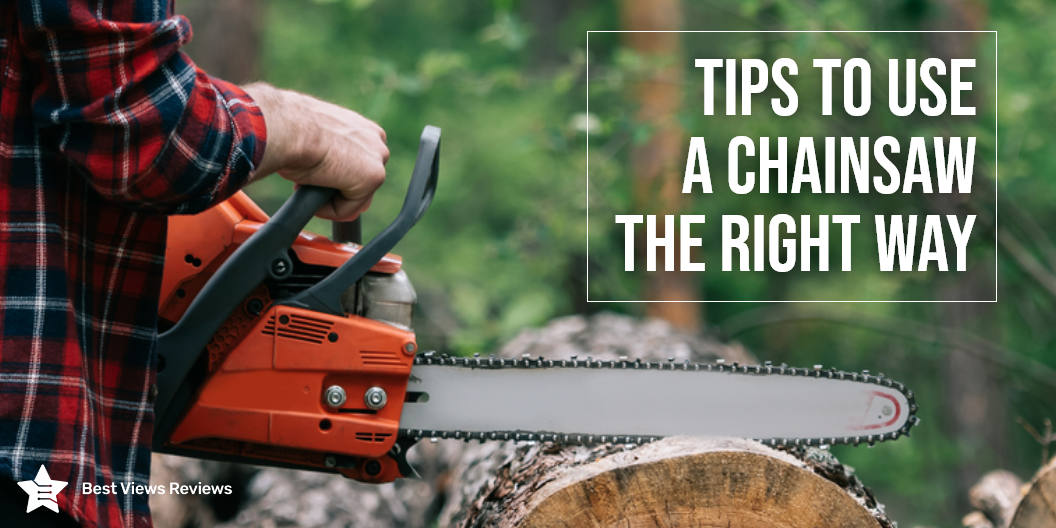
Tips on How to Use a Chainsaw Properly

how to use a chainsaw

Chainsaws are cutting tools that equip a set of teeth on the chain that runs on the guided bar. They come in different types; gasoline, electric, and battery-powered. The battery-powered chainsaws are portable devices that give you the convenience to carry them anywhere. You should know the major hacks and tips involved. The mighty tool can be really powerful with its sharp teeth and fast speed. Read our blog to know everything about chainsaws.

How to Know Your Chainsaw is Ready for Operation?  

You should check the handles, bars, chain sharpness, and controls to ensure that your chainsaw is safe for operation. Make sure the device is in good working order before you turn it on and start cutting.  Provide lubrication to all the parts. The chain must be tensioned correctly with the right sharpness. It is important to ensure that the product is equipped with all safety devices, as well as that all bolts and parts are securely fastened.  

How to Start this Device Correctly?

You should always start your chainsaw like BLACK+DECKER on a leveled surface. Once you have stabilized the position, follow the steps to successfully start your device.

  • Ensure that the choke is closed and the chain brake is engaged.
  • Press the primer valve 6-7 times to create a vacuum for the fuel and to ensure its smooth flow from the tank to the carburetor.
  • Hold the front handle tightly by using your left hand and pull the cord with the right hand.
  • Once your engine comes to life, push the choke to run position and let the engine warm-up for a few.

Some extra heed to a few steps can be beneficial. All chainsaws do not work in the same way and reading the manual carefully might help you understand the variations.

What to Do When Your Chainsaw Isn’t in Use?

Proper storage extends the lifespan of all machines. It’s imperative for you to store your chainsaws responsibly. Try to store it in a place devoid of dust and dirt to avoid any damage to the chainsaw.  

Remove and inspect the spark plug if it is dirty, cracked, eroded, or damaged. Check for the electrode if it is burned or if there is any heavy buildup of carbon. For a better experience, you can compare gas and battery chainsaws. Check out our blog to find the difference between gas vs battery chainsaw

How to Maintain a Proper Body Stance While Operating Chainsaw?

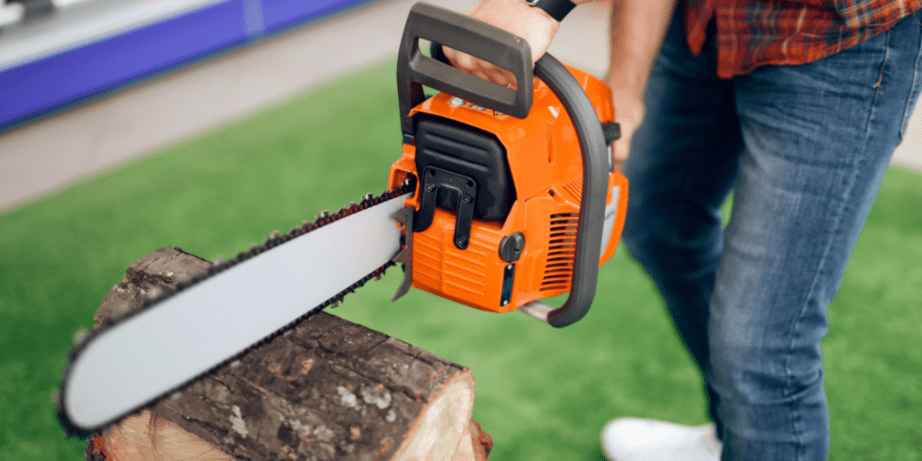
You need to maintain your body form accurately to handle any tool. This will help you accomplish your task effectively and in a more rapid manner. Stand firmly and keep your balance on point. Be careful and do not trip. It’s also advised to not run with chainsaws. Place your thumb and hand on the front handle to strengthen your hold while you’re operating the chainsaw.

FAQs 

Should You Let a Chainsaw Warm-Up? 

A gas chainsaw warms up rapidly due to the engine’s small size. The engine normally runs for a short time after startup before you start using it, giving the oil enough time to warm up and lubricate all parts. 

The Seesii 4-Inch Cordless is an electric model that has got good reviews for its lightweight body design that weighs just 0.7 Kilograms.

Can You Run a Chainsaw Without a Chain Brake?   

The answer is Yes. You can run a chainsaw without a chain brake, but it is not the safest way of using chainsaws. You get more control of your tool when it has a chain brake. Using a chainsaw without a chain brake can be risky. We recommend you take a look at our blog to maintain your product for a longer time period.  

Should I Wear Safety Equipment While Using Chainsaw? 

Chainsaw operators are frequently injured by accidental contact with the machinery. Operators must wear chainsaw chaps or pants, eye protection, hearing protection, and suitable footwear. Have a look at all the accessories and safety equipment that you will need during the operation. The safety equipment will protect you from debris and kickbacks.

Is it OK to Use a Chainsaw on Wet Wood?

Cutting wet wood with your chainsaw is not a bad idea. Raindrops, snowflakes, or dewdrops will not damage your chainsaw. The extra moisture on the wood acts as a natural lubricant. That is why cutting through wet wood is easier than cutting through dry wood. The reviews of Amerfist 4 Inch Electric Power show that this model is perfect for tree limbs and bonsai trunks.

Conclusion

Using a chainsaw properly is necessary to do the job efficiently and to ensure your own safety. Maintaining proper safety while using any machine always helps. Chainsaws like LByzHan Mini Chainsaw are ideal tools for cutting and chopping wood. Their portability makes them ideal for use on a ladder or stand. They can be power-based, gas-based, or battery-based.

BestViewsReviews rates and reviews hundreds of products on the basis of quality, convenience, and durability.

Chainsaws: The Ultimate Buying Guide

Chainsaws

Every time you want to do a job like cutting some firewood or even a tree, outdoor tools like chainsaws come quite handy. For those who are a little behind on the concept, a chainsaw is a portable saw that consists of a set of blades or teeth attached to a chain along the length of a guide bar. As the chain moves so does the blade, resulting in efficient cutting of wood, trees, etc. They help in jobs like pruning the trees, cutting trees and wood, and even trimming.

Now you can forget the good old saw that used to take hours to chop down wood. However, if you are someone who has very limited uses of a chainsaw, and doesn’t want to spend on it, then you can hire them as well. Various chainsaw rental shops allow you to rent them for as low as $5 an hour.

What all Can Chainsaws Do?

Chainsaws are good for-

  • Cutting down big trees for firewood
  • Trimming or cutting down dead branches, especially to enhance growth 
  • Cutting down big logs of wood, mainly during the winters

These equipment are easy to use, ergonomic, convenient, and save a lot of time.  Now that we understand their basic functions, let us take a look at the types of chainsaws available in the market to meet our requirements. Make sure to select the right chainsaw size based on your needs.

Types of Chainsaws

There are many types of chainsaws that you can use, all suited to meet different job requirements.

Manual or Pocket Chainsaw

These chainsaws are just like the name, small, compact, and portable. However, they are quite suitable for small jobs, like cutting wood for a campfire. However, they are manual and takes a longer time in finishing the job. It consists of teeth with blades that you can wrap around any wood that you want to saw. Move it back and forth and you can cut the desired length.

However, the good in it is that it is free from any emissions and silent. They are also affordable but if you have a larger batch to cut, then it is best to not depend on them. The cost for them ranges between $18-$50 depending on the chin, size, and other extra features like accessories, etc.

Electric Chainsaws

These run on electricity and are divided into the battery and corded chainsaws. Electric chainsaws like Maxlander Electric chainsaw are suitable for basic yard work as they make minimal noise, and has an average cutting speed. They are not suitable for thick trees but can cut through thicker wood undergrowth easily. They are light, and compact making them highly useful. One of the best electric chainsaws is undoubtedly the Worx20V cordless chainsaw with auto-tension that comes with self-lubricating oil, minimal tension, a powerful motor and battery, and a 12.5 Ft/s chain that can cut through any reasonable size wood with ease.

Battery Operated Chainsaws

Such chainsaws are convenient and run of a lithium-ion battery. They are also known as cordless chainsaw as they come without a cord. This allows you to use on hard to reach areas without any inconvenience. Some of the best battery-powered chainsaws do not mix oil and water and can easily cut mid-size growth trees and average thick wood. They are silent and do not cause any emissions, making them environmentally safe. One of the best battery-operated chainsaws is Greenworks 12-inch 40V Cordless Chainsaw. It comes with an automatic oiler, minimal kickback, and a sturdy 12-inch chain.

On a downside, their battery life is not much and needs to be recharged after 30 minutes -1 hour of continuous cutting. They also cannot cut through larger threes and thick pruning. Their cost ranges between $112-$200 depending on the volts, power of the motor, design, safety features, etc.

Corded Chainsaws

Corded chainsaws are also suitable for small to mid-size jobs. Their major advantage is that they can run forever as they are plugged in but, on a downside, they are restricted for movement due to a cord. They are portable, lightweight, and easy to store. Best suited for jobs like pruning and trimming, these chainsaws mostly see its use in home establishments. One of the best-corded chainsaws is Oregon, 15 Amp, a self-sharpening corded electric chainsaw that showcases an 18-inch bar and produces less friction for efficient cutting.

Gas-Powered Chainsaws

These are the most powerful of the lot. They usually run on 2-stroke and 4-stroke engine and involve a motor that is quite powerful to cut through any size tree. Chainsaws like Husqvarna 20 Inch 460 Rancher Gas Chainsaw strong kickback which is compensated with a starter cord. Usually, on the heavier end, they are noisy, emit fumes, and are costly as compared to the electric ones but, gets the job done well. Popular with commercial establishments such as chainsaws are cordless and are portable.

One of the best in this category is Husqvarna 20-inch 450 Rancher II Gas chainsaw. It has lower fuel consumption, fewer emissions, a smart start engine, and a snap-lock cylinder cover. Priced at $399 although expensive, their 20-inch powerful blade and their built is worth every penny.

Power Options

Now since everything boils down to the strength of a chainsaw, let us take a look at its power options to understand them better.

  • A Gas chainsaw is powered by gasoline and water combined with a four-stroke or two-stroke engine
  • Battery operated chainsaws are powered by battery or powered by electricity depending on the type used. If it a cordless, it will run on battery. And if it is a corded chainsaw, it will run on electricity. Some even come with both battery and electricity to provide agility and versatility

Now that we understand the basics, how do we know, what will suit us the best? Read on…

Factors to Look For While Choosing Chainsaws

Identify Your Need

If you have a big load of wood to chop often or is a frequent user then opt for gasoline chainsaws. However, if you are looking for pruning and trimming, then go for the electric ones. If you are not a frequent user, you can also go for used chainsaws.

Length of the Blade & Bar

A chainsaw with a longer bar and blade will allow you to cut more in a single pass. This is quite suitable while cutting trees and thicker wood. If you must trim or prune branches or firewood, then go for a shorter blade and bar. Also, make sure that the chainsaw chain is working properly to avoid kickbacks.

Power

Power is the most important factor to consider. Features like volts, amp, horsepower, and engine displacement play a big role in ensuring efficient cutting and trimming. The more power a chainsaw has, the better it is. But again, it comes down to your requirements and the job at hand.

Weight

Weight plays a crucial role while operating a chainsaw. A heavy gas-powered chainsaw is difficult to handle in harder to reach areas. Similarly, a lightweight tool might be great to carry but difficult at cutting the wood. So, understanding the weight and then buying them will help you use and maneuver them well. To make an easy decision, read more about gas-powered vs. battery-powered chainsaws for better comprehension.

Convenient Features of a Chainsaw

Having a convenient yet efficient chainsaw around is a big help. But the power alone does not guarantee convenience, knowing the working mechanism of your chainsaw and features is equally crucial. We suggest you can take a look at the chainsaw buying guide that tells you everything that you should know about chainsaws.

  • Casing

Most of the modern chainsaws come with a sturdy case that allows you to store it conveniently. It also allows you to carry them around with ease and protect them from external factors like dust and rust.

  • Tool-less Chain Adjustment Feature

This feature allows you to adjust the chain in case there is a lot of friction and tension. This feature reduces the hassle of changing the chains and provides a seamless experience.

  • Self-Air Cleaning

This feature allows the chainsaw to filter any unwanted or large wood remains or dust debris so as not to interfere with the functioning of the chainsaw.

  • Minimal Low Kickback Feature

This feature is more for your safety as it helps you protect yourself from sudden kick-back that might cause injury.

  • Chain Brake

The chain brake allows you to halt the chain mid-way in case it encounters a sudden bump of interference. Some have an automatic chain-brake system while some exhibit manual brake to improve efficiency and prevent an untoward accident.

  • Self-Oiling Mechanism

This mechanism ensures that your blade is in perfect working condition. This mechanism oils the blade whenever some tension is felt around the joints. This ensures efficient cutting and reduces your hassle to oil them manually.

  • Anti-vibration Mechanism

This feature allows you to cut through heavy loads of wood without getting exhausted with the cutting. It involves put a damping layer over the motor to increase the spring suspension.

  • Centrifugal Clutch

This allows the right power of torque to take over while cutting wood to ensure efficiency and smoothness.

Necessary Safety Tools for Chainsaws

Understanding the parts and the structural formation of outdoor tools like a chain saw or leaf blowers is quite useful. But, knowing how to use a chainsaw is not enough if you don’t protect yourself from the untoward injuries that might occur. Certain tools and equipment come to use along when you are using a chainsaw. Some of the protective gears are-

  • Cut resistant and strong grip gloves
  • Eyeshield with side covers to protect your eyes from the smaller debris
  • Earmuffs for protection against the deafening noise
  • Hard hat to protect your head against the overhead branches while cutting and trimming
  • Boots and trousers are also important. The boots must have anti-slip sole to allow free movement

Conclusion

Chainsaws are older tools but the models that are manufactured these days like Echo Chainsaws comes with a lot of features and advanced technologies to make them ergonomic and easy to use. Always take care of your safety and maintain the saw well. Now that you know everything about it, you can take a look at Bestviewsreviews‘s featured-section for more on your buying options, if you are considering buying a new chainsaw.