Smart Glasses vs. Traditional Wearables: Which Is Right for You?

Smart Glasses vs. Traditional Wearables

Wearable technology has transformed how we interact with the digital world. From smartwatches that track our heart rate to glasses that display navigation prompts right in front of our eyes, tech is becoming increasingly seamless and personal. But with so many options on the market, how do you choose between smart glasses vs traditional wearables like smartwatches and fitness trackers?

In this blog, we’ll dive into the differences between smart glasses and traditional wearables, highlight their strengths and limitations, and help you determine which device best fits your lifestyle.

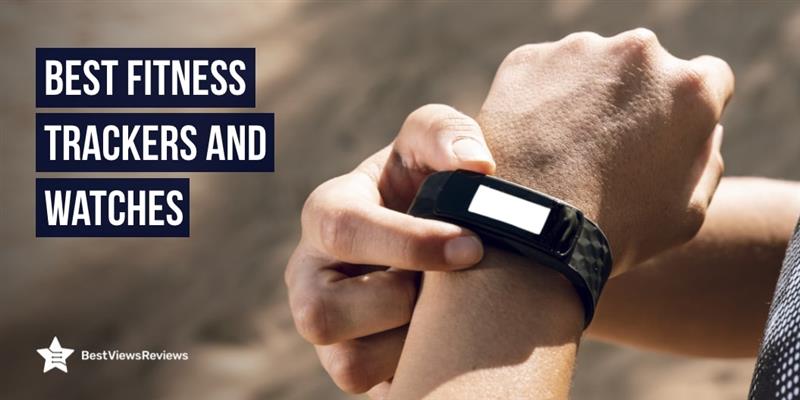
If you want to know more about fitness trackers and watches, then you can check our other blog, which will provide you with in-depth knowledge about The Best Fitness Trackers and Watches for Everyone.

What Are Smart Glasses?

Smart glasses are high-tech eyewear that combine the functionality of traditional glasses with advanced technology like augmented reality (AR), built-in cameras, microphones, speakers, and heads-up displays. These devices overlay digital content onto your real-world view, offering hands-free navigation, real-time notifications, and even video recording capabilities.

Popular models include the Meta Ray-Ban smart glasses, XREAL Air, and Vuzix Blade. Many smart glasses connect to your smartphone via Bluetooth and support voice assistants such as Alexa or Google Assistant, making them powerful tools for multitasking.

What Are Traditional Wearables?

Traditional wearables include devices like smartwatches and fitness trackers, typically worn on the wrist. These gadgets track health metrics, display smartphone notifications, and support apps for music, workouts, and productivity.

Notable examples are the Apple Watch, Fitbit Charge, and Garmin Forerunner. They have become mainstream accessories for fitness enthusiasts, professionals, and casual users looking to monitor their health or stay connected on the go.

Head-to-Head Comparison: Smart Glasses Vs. Traditional Wearables

1. Functionality

Smart Glasses:

  • Smart glasses like Amazon Echo Frames are designed to enhance your reality with digital information layered over your vision.
  • Core functions include augmented reality overlays, hands-free photo and video capture, real-time translation, and voice command support.
  • Ideal for multitasking, GPS navigation without glancing at a phone, and receiving discreet alerts in your line of sight.

Traditional Wearables:

  • These devices excel in health and fitness monitoring: step counts, heart rate, blood oxygen levels, sleep patterns, and more.
  • Also offer app notifications, calendar alerts, music control, and quick reply functions.
  • Their functionality focuses more on tracking and simplifying smartphone interactions, not necessarily enhancing the physical environment.

Summary:
Choose smart glasses for immersive and futuristic digital interaction; go for wearables if you’re focused on health, workouts, and productivity.

2. User Experience

Smart Glasses:

  • Offer a heads-up experience, where information is projected directly into your visual field.
  • Great for users who want minimal distractions and hands-free operation.
  • However, they can feel awkward in public, and some users report discomfort or a learning curve with AR interfaces.

Traditional Wearables:

  • Generally easier to use right out of the box.
  • Touchscreens, physical buttons, and vibrations make them more intuitive and discreet.
  • Seamless integration into daily life makes them popular among a wide demographic.

Summary:
Wearables are more user-friendly and socially accepted. Smart glasses are powerful but might take time to adapt to.

3. Design & Comfort

Smart Glasses:

  • Designs vary, but most are bulkier than regular glasses due to embedded tech like cameras and projectors.
  • It may not suit all face shapes or fashion preferences.
  • Wearing them for long periods can be uncomfortable for some users, especially with added weight.

Traditional Wearables:

  • Available in a wide range of sizes, materials, and styles—sporty, formal, minimalist, etc.
  • Easily customized with straps and faces. You can check a smart watch for men and women.
  • Designed for comfort during all-day wear, workouts, and sleep.

Summary:
Traditional wearables win in comfort and style variety. Smart glasses need to balance tech with fashion, and comfort can be hit or miss.

4. Battery Life & Performance

Smart Glasses:

  • Due to continuous AR display or audio/video capture, battery life is limited—usually 4 to 8 hours max. Check a model like Carrera Smart Glasses with Alexa, which offers 6 hours of continuous media playback.
  • Some models offer swappable batteries or charging cases, but still lag behind wearables.

Traditional Wearables:

  • Fitness trackers can last 5–14 days on a single charge.
  • Smartwatches last 1–3 days, depending on usage.
  • More efficient due to smaller displays and lower power consumption.

Summary:
Wearables are significantly better for long-term use without frequent charging.

5. Compatibility & Ecosystem

Smart Glasses:

  • Most pair with smartphones via Bluetooth or Wi-Fi.
  • Still a developing ecosystem—fewer third-party apps and limited integration with popular platforms.
  • Often rely heavily on proprietary apps and hardware.

Traditional Wearables:

  • Mature ecosystems with strong support from Apple, Google, Fitbit, Garmin, and others.
  • Seamlessly sync with health apps, music platforms, calendars, and smart home devices.
  • Constant updates and app availability make wearables very adaptable.

Summary:
Wearables offer more app options, integrations, and broader device compatibility.

6. Price Range

Smart Glasses:

  • Generally positioned as premium tech.
  • Prices range from $300 to $1,500+, depending on AR features, audio quality, and display capabilities.
  • Still considered a niche product with limited consumer options.

Traditional Wearables:

  • Widely available at various price points:
    • $50–$150 for basic fitness trackers
    • $200–$500+ for full-featured smartwatches
  • Offers good value for money, especially with entry-level options.

Summary:
Wearables are far more accessible in terms of budget. Smart glasses are a higher-cost investment with more experimental value.

Pros and Cons of Smart Glasses vs. Traditional Wearables

Understanding the advantages and drawbacks of each device type helps users make an informed decision based on their lifestyle, tech preferences, and daily needs. Below is a deeper dive into what smart glasses and traditional wearables offer — and where they fall short.

Smart Glasses

Pros

  1. Hands-Free Convenience
    • Smart glasses offer true hands-free operation, allowing users to interact with digital content while walking, driving, or working — no need to look down at a phone or smartwatch.
  2. Augmented Reality (AR) Integration
    • Unlike traditional wearables, smart glasses can overlay digital information in real-world environments (e.g., navigation directions, translations, reminders).
  3. Discreet Alerts and Notifications
    • With displays built into the lens or bone-conduction audio, alerts can be received privately without a buzzing wrist or phone vibration.
  4. Built-in Cameras and Audio
    • Many models feature HD cameras and microphones for capturing POV photos/videos or handling calls — ideal for creators, commuters, or hands-busy professionals.
  5. Futuristic Appeal
    • Smart glasses have a “wow factor” and appeal to early adopters who want cutting-edge tech that stands out from conventional devices.

Cons

  1. Short Battery Life
    • Most smart glasses offer only 4–8 hours of usage before needing a recharge, limiting all-day usability compared to fitness bands or smartwatches.
  2. Limited App Support
    • Ecosystems are still developing. Users may find a lack of popular apps or integrations compared to Apple Watch, Garmin, or Fitbit platforms.
  3. Bulky or Unattractive Designs
    • While improving, many smart glasses are thicker, heavier, or less stylish than traditional eyewear or discreet wearables.
  4. High Price Point
    • Expect to spend $300–$1,500 or more for premium features. This may not appeal to casual tech users.
  5. Privacy Concerns
    • Built-in cameras and constant connectivity raise concerns for both users and bystanders about surveillance and data security.

Traditional Wearables (Smartwatches & Fitness Trackers)

Pros

  1. Excellent Health & Fitness Tracking
    • Track everything from heart rate and step count to blood oxygen levels, menstrual cycles, and even stress levels.
  2. Strong Ecosystem Integration
    • Seamlessly sync with Apple Health, Google Fit, and hundreds of third-party apps. Wearables are deeply embedded in the smartphone ecosystem.
  3. Customizable Designs
    • Choose from a wide range of colors, materials, and straps to match your lifestyle, fashion, or activity needs.
  4. Longer Battery Life
    • Fitness bands last up to 2 weeks; smartwatches last 1–3 days, making them more practical for long-term wear without frequent charging.
  5. Wide Price Range
    • Available for as low as $50, making them accessible for all budgets, with premium options for advanced users.

Cons

  1. Distraction from Smartphone Use
    • Despite being wearable, users often still pull out their phones to reply or interact fully with notifications.
  2. Screen Dependency
    • Even with wearables, users must still look down at a screen to check messages or stats — no head-up display like smart glasses offer.
  3. Limited Field of View Interaction
    • Traditional wearables do not integrate with the user’s actual surroundings; they’re not immersive or “smart” in an environmental sense.
  4. Fitness Focus May Not Appeal to Everyone
    • Those uninterested in health tracking may find many features unnecessary or underused.
  5. Can Be Intrusive During Sleep or Certain Activities
    • Some users find wearing a smartwatch to bed or during physical tasks uncomfortable or distracting.

Smart Glasses vs. Traditional Wearables: Which One Is Right for You?

  • Fitness-Focused Users: Traditional wearables are better suited due to their detailed health metrics and workout tracking features.
  • Tech Enthusiasts: Smart glasses provide a more cutting-edge, futuristic experience ideal for those who enjoy new gadgets and emerging technologies.
  • Business Professionals: If your work involves frequent communication, presentations, or navigation, smart glasses can enhance productivity. However, wearables offer practical tools like calendar reminders and quick message replies.
  • Travelers: Smart glasses like OhO Smart Glasses are great for navigation and hands-free photo/video capture. Wearables, however, are more durable and have longer battery life.
  • Casual Users: Traditional wearables are easier to use, more affordable, and widely supported by mobile platforms.

Conclusion

Both smart glasses and traditional wearables have their unique advantages. Your choice depends on your needs, lifestyle, and budget. If you value immersive, hands-free technology and cutting-edge features, smart glasses are worth considering. If you’re looking for practicality, health tracking, and a more mature ecosystem, traditional wearables may be the better fit.

Whichever you choose, the evolution of wearable tech ensures you’ll be equipped with powerful tools to enhance your daily life.
Top Fitness Trackers and Watches for Every Lifestyle

Best Fitness Trackers

Fitness trackers are more than just gadgets—they’re personal. Since you wear them every day, they need to be comfortable, look good, and match your lifestyle. Whether you’re into biking, rowing, lifting weights, long trail runs, or just need a nudge to stand up occasionally, your tracker should work with you. Some people prefer one on their wrist, others like it on a finger, or even tucked into a sports bra—it’s all about what feels right.

No matter your goals or routine, there’s never been a better time to find a smart, powerful tracker to help you stay on top of your fitness. We’ve researched dozens of fitness trackers for running, climbing, hiking, etc, to bring you our top recommendations.

Quick links to the best fitness trackers for easy access

Best Recommended Fitness Trackers and Watches

Best Overall – Fitbit Charge 6 Fitness Tracker

Even with tough competition, especially from the Apple Watch, Fitbit still stands out. Its trackers are stylish, affordable, and easy to use. They’re ideal for everyday users, not pro athletes chasing records.

The Charge 6 comes packed with Google features. The app is redesigned—cleaner, simpler, and better organized. You can now get Google Maps directions, pay with Google Wallet, and control music via YouTube Music Premium. Health features are solid, too. You can track your skin temperature, heart rate, ECG, sleep, and workouts. Battery life lasts over a week. And yes, the physical button is back! All of this costs $160 (often less during sales).

In July 2024, Fitbit rolled out key updates. Heart rate tracking got more accurate. It can now auto-detect more exercises, like spinning and elliptical. GPS is sharper, too. Some advanced tools still require Fitbit Premium at $10/month. But for a reliable, budget-friendly tracker, the Charge 6 delivers.

Most Affordable – Amazfit Active 2 Smart Watch with Fitness Tracker

The Amazfit Active 2 offers a surprising amount of features for just $100. Yes, $100! It includes all the expected sensors—PPG, accelerometer, gyroscope, barometric altimeter, ambient light, and even a temperature sensor. These track your sleep, heart rate, and blood oxygen levels. There are 164 workout modes and impressive battery life. The sleek stainless steel case is water-resistant up to 5 ATM. You can wear it in pools and hot tubs with no issues.

Even more impressive? It has built-in mapping on a large, bright AMOLED screen. You can download maps, including ones for ski resorts. Amazfit also teams up with cool fitness brands like Hyrox and Wild.AI for more accuracy.

Best Savvy Ring – Oura Ring 4 Smart Ring with Fitness Tracker

Last year, Oura rolled out several updates to the Oura Ring 4. These changes make it more appealing to women, who now make up most of its users. There are new color options and more sizes to choose from. The sensors are now recessed, making the ring thinner and lighter. They also placed the sensors asymmetrically. Combined with a new Smart Sensing algorithm, the ring adjusts in real time to take better readings, no matter what your hands are doing.

The Garmin Fenix 8 is still one of the top fitness trackers. But the Oura Ring did a better job picking up on sleepless nights and extra hikes. Battery life is improved over the last version. The app is easier to use, too. A new feature called Timeline lets you add tags to your day. Oura Labs lets you try experimental tools. One lets you upload meal photos for AI analysis. Another, Symptom Radar, tracks your body for signs of illness using metrics like heart rate and temperature.

However, the best features require a $6/month membership. Without it, you only get the basic Sleep, Readiness, and Activity scores.

The Best For Running – Garmin Forerunner 165 Running Smartwatch

The best running watch is usually a Garmin Forerunner. It’s one of Garmin’s oldest and most trusted lines. Models range from the simple Forerunner 55 ($200) to the advanced Forerunner 965 ($600). Each version offers different features. Cheaper ones have basic displays and no blood oxygen sensors. But all models support multiple satellite systems and use Garmin’s training algorithms. The suggested workouts are easy to follow and adapt to your needs.

Forerunners also hold up well over time. If you find an older model on sale, like the Forerunner 255, it’s a great deal. But we recommend the Forerunner 165. It hits the sweet spot between price and features. It has a bright AMOLED screen, an altimeter for accurate mileage, and a blood oxygen sensor. Sleep and workout tracking are reliable. Battery life is solid. Garmin’s Morning Report is a great touch—it gives you a daily summary with sleep stats, weather, and readiness. There’s also a Music version for $50 more. It’s nice, but might not be worth the extra cost. Overall, the Forerunner 165 is a strong choice, even for experienced runners.

Best Outdoor Watch – Garmin fēnix® 8 – 47mm Smartwatch

Garmin has taken the best parts of its Epix and Fenix lines and packed them into the new Fenix 8 AMOLED. It has the bright AMOLED screen from the Epix. And the long battery life of the Fenix—over two weeks on the 47-mm model in testing. It’s the best outdoor sports watch you can buy. It works with both Android and iPhone. The screen is insanely bright. Even on a cloudy Oregon winter day, it outshines other Garmin displays outdoors.

It’s loaded with features for nearly every sport. You get Garmin’s off-grid maps, SkiView for ski resorts, and golf course maps. The buttons are leakproof for diving. There’s a mic and speaker for voice commands—even off-grid. And yes, there’s a built-in flashlight. No more fumbling with your phone’s 17% battery in the dark after a late hike.

Best for iPhone Users – Apple Watch Series 10

People often keep their Apple Watch for years—and for good reason. It’s easily the best fitness tracker for iPhone users. For its 10th anniversary, Apple released the Apple Watch Series 10. It doesn’t include blood oxygen sensing due to a patent dispute with Masimo Corp. Still, it brings major upgrades.

The most notable new feature? Sleep apnea notifications. The watch uses an accelerometer and machine learning to detect breathing issues while you sleep. That’s a big deal, since diagnosing sleep apnea usually requires a hospital sleep study.

There are subtle hardware improvements, too. It’s thinner, lighter, more comfortable, and charges faster. A new water-temperature sensor adds safety for cold-water environments. WatchOS 11 also includes new health tools. “Training Load” helps you understand how your workouts affect your body. The new Vitals app makes key health info easy to access. Even without blood oxygen sensing, this is still the best fitness tracker you can get—if you use an iPhone.

The Best for Android Users – Google Pixel Watch 3

The Google Pixel Watch 3 is the best Wear OS watch for Android users. It’s also one of the best-looking smartwatches out there. It comes in two sizes. We recommend the larger 45-mm version as it offers better battery life.

This version focuses on running. It features AI-generated running plans. A new tool called Cardio Load helps track if you’re training too much or too little. Another new health feature, Loss of Pulse Detection, isn’t available in the US yet.

Fitbit integration works really well. The heart rate monitor and other health tools are accurate. You get ECG readings, sleep tracking, blood-oxygen levels, stress tracking, and more. After a rough start, the Pixel Watch 3 is finally shaping up to be the Apple Watch for Android users.

Best for Kids – Fitbit Google Ace LTE

The Fitbit Ace LTE is the first fitness tracker kids actually wear. The Ace is part fitness tracker, part gaming device, and part GPS tracker. It’s been super helpful (and fun) as my kids bounced between camp, swim lessons, and the neighbor’s house this summer. It tracks steps and helps limit screen time. It has all the usual Fitbit health sensors.

The $10/month subscription covers LTE, so you don’t need a separate phone plan. It also unlocks Fitbit Arcade—a bunch of short, active games that keep my kids moving. They can call and text through the Fitbit Ace app. You can also see their location with Google Find My. That peace of mind has made summer way less stressful.

One downside: the design is pretty kiddish. Older kids (maybe 11 and up) might think it looks too young.

A Smaller Fitness Tracker – Garmin Lily 2

If you have a smaller wrist, the Lily 2 Active is a better fit. It’s impressively compact, even smaller than kids’ smartwatches. The case is just 38 mm, while the Fitbit Ace measures 41 mm.

Despite its small size, it works like a full-featured fitness tracker. You can control it with two side buttons or use the discreet LCD touchscreen. The screen is responsive and easy to use. It has a built-in GPS that accurately tracks runs. You also get Garmin’s signature features like Body Battery energy tracking and the Morning Report, which gives you a summary of your stats when you wake up.

There’s sleep tracking, blood oxygen monitoring, and even incident detection in case you get hurt outdoors. It doesn’t have every activity profile, but it covers the big ones—running, skiing, and pickleball. Not surfing or climbing, though. It’s not as sensitive as the Oura Ring for sleep tracking, but it’s still a solid option. Especially if you’re tired of trying to stuff a giant watch under your blazer sleeve.

Best Heart Rate Monitor – H10 Heart Rate Monitor Chest Strap

Most fitness trackers have a built-in heart rate monitor. But for long, intense workouts, a separate strap gives better accuracy. Polar improved the design by replacing the loop-and-hook connector with a more comfortable buckle. They also added small silicone dots to keep it in place.

This added comfort and stability lead to more accurate readings. The monitor has built-in memory and ANT+ connectivity. You can pair it with other gear, like bike trainers. Best of all, the battery lasts up to a year without needing a replacement.

Conclusion for Fitness Trackers

No matter your fitness level, goals, or style, there’s a fitness tracker out there that fits your needs. From full-featured fitness trackers to compact rings and chest straps, today’s trackers are smarter, more accurate, and more comfortable than ever. Whether you’re training for a marathon, chasing your step goal, or just looking to stay more active during the day, the right device can help you stay motivated and informed.

Take your time, think about where and how you’ll use it, and choose a tracker that works with your lifestyle, not against it. With the options we’ve shared above, you’re sure to find one that keeps up with you every step of the way.

Activity Fitness Trackers of 2025: The Ultimate Guide

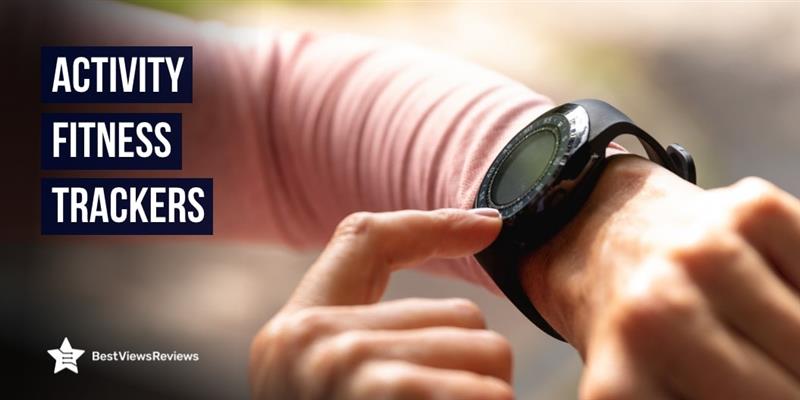
Activity Fitness Trackers

Activity fitness trackers dominate the fitness world, helping users stay on top of their health and wellness goals. These devices combine sleek designs with cutting-edge technology to monitor steps, heart rate, sleep, and more. Whether you’re an athlete, a casual fitness enthusiast, or someone aiming to lead a healthier lifestyle, activity fitness trackers provide the tools you need to succeed.

This guide explores the top choices for best activity fitness trackers of 2025, highlighting their features, benefits, and why they stand out in the ever-growing market. You’re in the right place if you’re searching for the perfect tracker.

Whereas, if you are confused between a smartwatch and a fitness tracker then you can check our blog Smartwatches vs. Fitness Trackers and know Which One to Choose?

What Are Activity Fitness Trackers?

They are devices worn on the body by people to measure and record different aspects of human activity and health. Most of these trackers always harvest data like steps made, calories consumed, pulse rate, sleep, and other parameters like body analysis or stress level. People attach these devices around their wrists and neck or even clip them into clothing to monitor their fitness progress at any time of the day.

Fitness trackers for physical activities enable user motivation, analysis of one’s physical activity and health goals, and optimization of the goals. Thus, with real-time feedback, they inform individuals about their fitness routines and other life decisions.

Benefits of Using an Activity Fitness Tracker

Activity fitness tracker provides varied benefits to help individuals achieve and maintain their health and fitness goals.

1. Tracks Daily Activity

An activity fitness tracker records several steps, distance traveled, calories burnt, and level of exercise. This real-time data assists the users in setting achievable fitness objectives and tracking future development as well. Whether walking, jogging, or performing an aerobically challenging activity, the tracker tracks every activity to ensure you are on track with your goals.

2. Promotes Accountability

Exercise-tracking instruments aid in regular exercising by synchronization with the applicable apps or devices. This platform should be shared with friends or relatives because this brings accountability on top of the recommended time hence offering a better chance at long-term commitment.

3. Provides Comprehensive Health Insights

Beyond physical activity, fitness trackers often monitor key health metrics such as sleep patterns, heart rate, and stress levels. This helps users to understand their overall well-being and how these factors impact their fitness. For example, tracking sleep quality can reveal how rest impacts physical performance, while heart rate data offers insights into cardiovascular health.

4. Enhances Motivation

Fitness trackers incorporate gamification features like step challenges, badges, and virtual rewards to make fitness fun and engaging. These features encourage users to push beyond their comfort zones and celebrate milestones, whether it’s completing a new distance or achieving a personal best

5. Offers Informed Decision-Making

With detailed analytics and trends provided by fitness trackers, users can make smarter decisions about their exercise and health routines. For instance, trends in calorie consumption or activity levels can highlight areas for improvement, enabling users to make adjustments to optimize their fitness journey.

How to Choose the Right Fitness Tracker for Your Needs

To make an informed decision, consider the following steps:

  • Define Your Fitness Goals: To make any progress when using a fitness tracker begin by determining the objective you want to accomplish. Do you want to shed extra kilos, manage cardiovascular diseases, monitor sleep patterns, or track particular workouts? It will help to guide the choice as soon as you understand your goals.
  • Bear in mind the Features That Count: Some of the features that are included in fitness trackers include; HR Monitor, GPS, Sleep Tracking, Activity Track, etc. You should select a device that meets certain characteristics that correspond with your fitness goals.
  • Set a Budget: Fitness trackers are available at different price points. Determine how much you are willing to spend based on your desired features and functionality.
  • Check Compatibility: Choose a fitness tracker compatible with your other Smart devices like Smartphones. Synchronization guarantees the data to be easily retrievable and sharable within a single database.
  • Evaluate Design and Comfort: Fit is essential because it determines whether you will wear the tracker for an extended period, say, throughout the day, or during workouts. The best design will create a comfortable fit while complimenting your lifestyle.
  • Look for Battery Life: Choose the type with battery timelines that suit your frequency of usage. Recurrent users may need a device with long battery drainage so that it can be charged multiple times, this is likely to require long hours of charging time.

Top Activity Fitness Trackers for 2025

Highly Recommended

DoSmarter Fitness Tracker for Women and Men: Take your fitness journey to the next level with the DoSmarter Fitness Tracker. This waterproof smart fitness watch is designed for Android and iOS users, providing essential health insights in real-time. Monitor your heart rate, track your blood pressure, and analyze your sleep patterns to optimize your well-being. The built-in pedometer ensures accurate step counting, helping you stay active throughout the day.

FITVII Slim Fitness Tracker with Blood Oxygen SpO2: Stay on top of your health and fitness with the FITVII Slim Fitness Tracker. This sleek device offers comprehensive health monitoring, including Blood Oxygen (SpO2), blood pressure, 24/7 heart rate, and advanced sleep tracking. Designed with IP68 waterproof technology, it’s perfect for all-day use, whether at the gym, running, or swimming. With a built-in pedometer and step tracker, you can easily track your steps and activity levels.

Top Picks Based on Water Resistance

Fitbit Inspire 2 Health & Fitness Tracker: Take control of your health and fitness journey with the Fitbit Inspire 2. This sleek tracker includes a free 1-year Fitbit Premium trial, offering personalized insights and guided programs to help you reach your goals. With 24/7 heart rate monitoring, you can track your daily activities, sleep, and exercise with ease. The Fitbit Inspire 2 comes in black with both S and L bands included, ensuring a comfortable fit for all wrist sizes. Visit the Fitbit Store to learn more!

DIGEEHOT Kids Fitness Tracker Watch for Boys and Girls Aged 5-16: Encourage an active and healthy lifestyle with the DIGEEHOT Kids Fitness Tracker Watch. Designed for boys and girls aged 5-16, this waterproof fitness watch features a heart rate monitor, sleep tracker, and calorie counter to help young ones track their progress. With 11 sports modes, it’s perfect for various activities, including running, cycling, and swimming. The replaceable band ensures a comfortable fit for growing children.

Top Picks Based On Connectivity

BIGGERFIVE Vigor 2 Kids Fitness Tracker Watch: Encourage active lifestyles with the BIGGERFIVE Vigor 2 Kids Fitness Tracker Watch. Designed for children aged 5-12, this IP68 waterproof fitness tracker offers a variety of essential features including an activity tracker, pedometer, heart rate monitor, sleep monitor, and calorie step counter. With a comfortable fit and durable design, it’s perfect for everyday wear and outdoor adventures.

FITVII Fitness Tracker, Heart Rate Blood Pressure Monitor Activity Tracker: Enhance your fitness journey with the FITVII Fitness Tracker. Featuring a 1.57″ touch screen, this versatile tracker monitors heart rate, and blood pressure, and offers an activity tracker for steps and calories. With an IP68 waterproof rating, it’s perfect for various activities and weather conditions. The sleep monitor and music control add extra convenience, making it suitable for women, men, and kids alike.

Top Picks Based On Battery Life

Overfly Fitness Tracker with Connected GPS: Take your fitness journey to the next level with the Overfly Fitness Tracker. This smartwatch features a connected GPS for accurate outdoor and indoor tracking, a heart rate monitor, and 14 sports modes to suit a variety of activities. The sleep tracking and pedometer functionality provide detailed insights into your daily health. With a sleek design and a step/calorie counter, this fitness band is perfect for both men and women.

Livikey Fitness Tracker, IP67 Waterproof Fitness Watch: Achieve your fitness goals with the Livikey Fitness Tracker. This IP67 waterproof fitness watch offers a variety of features, including a heart rate and sleep monitor, pedometer, and calorie counter to keep you informed throughout your day. With 14 different sports modes, it caters to varied activities, whether running, cycling, or swimming.

Top Picks Based On Accuracy

HUAKUA Fitness Tracker Watch for Men Women Kids: Stay active and connected with the HUAKUA Fitness Tracker Watch. This versatile sports watch is designed for men, women, and kids, offering a full-touch screen experience without the need for Bluetooth, apps, or a phone. It features IP68 waterproof protection, making it suitable for various activities, including swimming and outdoor sports.

BIGGERFIVE Kids Fitness Tracker Watch for Girls and Boys: Encourage active lifestyles with the BIGGERFIVE Kids Fitness Tracker Watch. Designed for girls and boys, this slim, waterproof activity tracker features a pedometer, calorie counter, sleep monitor, and silent alarm clock to support healthy habits. Its comfortable fit and durable design make it perfect for children aged 5-12, ensuring they stay motivated and engaged.

Commonly asked questions

1. Can activity fitness trackers monitor stress levels?

Many activity fitness trackers actively monitor stress levels, utilizing various methods to track physical and mental stress. Firstly, they employ Heart Rate Variability (HRV) measurements to detect fluctuations caused by emotional, physical, and mental experiences.

Additionally, they continuously track heart rate to identify periods of high stress. Moreover, some devices, such as Google Fitbit, use Electrodermal Activity (EDA) sensors to measure electrical changes on the skin, detecting stress responses. Furthermore, guided breathing exercises are offered to help users relax and reduce stress through controlled breathing sessions.

2. Do activity fitness trackers support multiple workout types?

Most activity fitness trackers support multiple workout types, enabling users to track various exercises. They often include modes for running, walking, swimming, cycling, strength training, HIIT, yoga, Pilots, and dance-based workouts.

Advanced features like GPS tracking, heart rate monitoring, and VO2 max estimates provide valuable insights. Examples of trackers with multiple workout support include Garmin, Fitbit, Apple Watch, Samsung, and Polar devices.

3. Can activity fitness trackers connect with other devices like gym equipment?

Many activity fitness trackers connect with other devices, including gym equipment, for a more comprehensive workout experience. They use Bluetooth, ANT+, and Wi-Fi connectivity to link with devices like treadmills, heart rate monitors, and online fitness platforms. Brands like Garmin, Fitbit, and Apple Watch offer this feature, enabling users to access detailed workout data, set goals, and track progress.

4. How accurate are activity fitness trackers for calorie counting?

Activity fitness trackers estimate calorie burn, but accuracy varies. The type and quality of the tracker, user data input, activity type and intensity, and individual variability all impact accuracy. Typically, basic trackers have an error margin of 10-30%, mid-range trackers 5-20%, and advanced trackers 5-15%. For precise calorie counting, consult a healthcare professional or registered dietitian.

Pre and Post Christmas Sales: Which Offers the Best Deals?

Christmas Sales

The holiday season is synonymous with shopping sprees, dazzling discounts, and irresistible deals. For many, it’s the ultimate opportunity to snag everything from gifts to gadgets at reduced prices. But as the season unfolds, shoppers are faced with a common dilemma: Should you shop before Christmas or wait for the post-holiday/ New Year sales?

Both sales periods offer incredible deals, but the choice often depends on what you’re buying and your shopping goals. Pre-Christmas sales are all about convenience, variety, and securing the perfect gifts before the big day, while post-Christmas sales are renowned for steep discounts on leftover inventory and seasonal items. It is more likely a clearance sale.

In this blog, we’ll dive deep into the dynamics of both sales periods, comparing their benefits, ideal shopping strategies, and what types of products to target. Whether you’re an early planner or a bargain hunter waiting for the last-minute rush, this guide will help you navigate the holiday sales and make the most of your money.

Pre-Christmas Sales: The Early Bird Advantage

When They Happen

Pre-Christmas sales typically begin in late November with events like Black Friday, Cyber Monday, and extend throughout December. Retailers focus on attracting holiday shoppers early by offering discounts on gift-oriented products.

What to Expect

  • Best for Gift Shopping: If you’re shopping for gifts, this is the time to score deals on popular items like electronics, toys, as well as fashion.
  • Wide Selection: The earlier you shop, the more choices you have regarding colors, styles, and sizes.
  • Promotional Discounts: Retailers often bundle discounts, offer free shipping, or give extra incentives to encourage early purchases.

Top Picks for Pre-Christmas Sales

1. Electronics

Pre-Christmas sales are a haven for tech enthusiasts, offering exceptional deals on high-demand gadgets:

  • Smart TVs: Score incredible discounts on brands like LG and Samsung. Bundles with soundbars or extended streaming subscriptions are often part of the deal.
  • Laptops and Tablets: Look for discounts on popular brands like Apple, Dell, as well as Lenovo. Pre-Christmas is the ideal time to snag a laptop for work or a tablet for entertainment and learning.
  • Gaming Consoles: With deals on the latest PlayStation 5, Xbox Series X, and Nintendo Switch, gamers can upgrade their setup or gift a console to loved ones. Many retailers bundle games and accessories to sweeten the deal.
  • Smart Home Devices: Products like the Amazon Echo, Google Nest, and smart security cameras are often heavily discounted, making it easy to upgrade your home automation setup.

2. Toys

Pre-Christmas sales are a magical time for toy shopping, with plenty of options for kids of all ages:

  • LEGO Sets and Action Figures: Popular franchises like Marvel, Star Wars, and Harry Potter are usually marked down, making them perfect for collectors and young builders alike.
  • Educational Toys and STEM Kits: Products that inspire learning, like coding robots or science experiment kits, see significant price drops during pre-Christmas sales.
  • Dolls and Playsets: These toys, from Barbie Dreamhouses to pretend kitchen sets, are ideal for imaginative play. Look for exclusive holiday editions.
  • Board Games and Puzzles: Family favorites like Monopoly and Jenga, as well as 1,000-piece puzzles, are often featured in toy sale promotions.
  • Remote-Controlled Vehicles: Drones, race cars, and helicopters are exciting picks for older kids and tech-savvy tweens.

3. Holiday Décor

Set the stage for a festive home with stunning holiday decorations available at unbeatable prices:

  • Christmas Trees: Artificial and pre-lit options, including those with flocked branches and built-in LED lights, are widely discounted.
  • String Lights and Outdoor Displays: From multi-colored string lights to inflatable Santa and reindeer displays, you’ll find everything needed to light up your home.
  • Wreaths and Garlands: Elegant, pre-decorated pieces with pinecones, berries, and twinkling lights can transform your entryway or mantle.
  • Ornaments and Tree Toppers: Unique, collectible ornaments and dazzling toppers are often part of pre-Christmas markdowns, helping refresh your tree’s look.
  • Tableware and Linens: For hosting Christmas dinner in style, holiday-themed dinner sets, table runners, and napkins are must-haves.

Shopping these categories during pre-Christmas sales ensures you get the best variety and deals on items to brighten your holidays. Moreover, make gift-giving stress-free.

Post-Christmas Sales: The Clearance Bonanza

When They Happen:

Post-Christmas sales begin on December 26 (Boxing Day) and extend through the New Year. These sales are designed to clear out leftover inventory, offering massive discounts on unsold holiday stock.

What to Expect:

  • Deep Discounts: Prices drop further than pre-Christmas sales, especially on seasonal and holiday-specific merchandise.
  • Clearance Galore: Retailers aim to move inventory quickly, leading to markdowns on everything from apparel to home goods.
  • Limited Stock: While discounts are great, availability may be limited to leftover items.

Top Picks for Post-Christmas Sales

1. Holiday Décor

Post-Christmas sales are the ultimate opportunity to prepare for next year’s festivities without breaking the bank:

  • Christmas Trees: Artificial trees, including pre-lit as well as flocked varieties, are deeply discounted as retailers clear out holiday inventory.
  • String Lights and Outdoor Decorations: Stock up on everything from multi-colored string lights to large inflatable displays for your lawn. Prices drop significantly, making it the perfect time to expand your collection.
  • Ornaments and Tree Toppers: Unique ornaments, themed sets, as well as elaborate tree toppers, are often available at a fraction of their original price.
  • Wreaths and Garlands: High-quality pre-lit or decorative pieces with pinecones, berries, and ribbons are slashed in price, ideal for creating a cozy holiday ambiance next year.
  • Gift Wrap and Supplies: Gift bags, wrapping paper, and ribbons are heavily discounted, letting you prepare for next year’s holiday season in advance.

2. Winter Apparel

Post-Christmas sales make it easy to refresh your winter wardrobe with stylish and functional pieces:

  • Coats and Jackets: Brands often discount heavy winter coats, parkas, and puffer jackets to clear seasonal stock.
  • Boots: From snow boots to stylish leather options, this is the best time to grab durable footwear for winter.
  • Scarves and Gloves: Warm accessories like scarves, gloves, as well as mittens are often bundled or significantly marked down.
  • Sweaters and Cardigans: Look for deals on cozy knits in classic styles that will stay on trend for years.
  • Thermal Wear: Perfect for layering, thermal tops and leggings are often found at clearance prices after Christmas.

3. Fitness Gear

As New Year’s resolutions take center stage, post-Christmas sales focus on products to help you achieve your fitness goals:

  • Treadmills and Exercise Bikes: Home gym equipment sees some of the steepest discounts as retailers tap into fitness trends.
  • Resistance Bands and Dumbbells: Compact, versatile equipment is ideal for both beginners as well as experienced gym-goers.
  • Yoga Mats and Accessories: High-quality mats, blocks, and straps are often discounted, making it easier to start your yoga journey.
  • Smart Fitness Trackers: Devices like Fitbit, Garmin, and Apple Watch often receive markdowns post-holiday, combining health tracking with tech.
  • Workout Apparel: Activewear like leggings, sports bras as well as performance tops are discounted to clear out year-end inventory.

Post-Christmas sales are a treasure trove of savings, especially for holiday enthusiasts, winter fashion lovers, and fitness enthusiasts. Stock up on these essentials and kick-start the New Year with style, savings, and purpose!

Pre vs Post-Christmas: The Key Differences

AspectPre-Christmas SalesPost-Christmas Sales
TimingEarly December through Christmas EveDecember 26 through early January
Best ForGift items, hot products, and early shoppersClearance deals, seasonal items, as well as leftovers
DiscountsCompetitive but not as deep as post-ChristmasSteeper discounts on unsold inventory
SelectionWide varietyLimited to remaining stock

Which Sale Should You Shop?

  1. If you’re buying gifts: Pre-Christmas sales are your best bet. You’ll have access to a broader selection of products. However, you can avoid the stress of last-minute shopping.
  2. If you’re looking for bargains: Post-Christmas sales are perfect for snagging discounts on seasonal items, fitness equipment, as well as winter apparel.

Tips for Maximizing Both Sales

  • Set a Budget: Avoid overspending by knowing what you can afford.
  • Make a List: Focus on the items you need most to prevent impulse buys.
  • Sign Up for Alerts: Subscribe to newsletters or follow your favorite stores for updates on deals and discounts.
  • Shop Early or Late: Beat the rush by shopping early in pre-Christmas sales or late in post-Christmas events.

Conclusion

Deciding between pre-Christmas and post-Christmas sales ultimately depends on your shopping priorities and goals. Pre-Christmas sales are designed to cater to those who value variety, convenience, and the joy of having everything ready before the holiday festivities. This period is perfect for securing the season’s most sought-after gifts and ensuring your home is beautifully decorated for celebrations.

On the other hand, post-Christmas sales offer a unique opportunity for budget-savvy shoppers to maximize savings. Whether it’s replenishing your stock of holiday décor, updating your winter wardrobe, or investing in fitness gear for your New Year’s resolutions, these sales are all about getting the most bang for your buck. With retailers clearing out seasonal inventory, the deals are often too good to pass up.

So, are you the early bird who loves to prepare in advance, or are you the bargain hunter ready to seize post-holiday markdowns? With careful planning, you can enjoy the best of both worlds and fully embrace the season of savings!

Everything About Fitness Trackers: The Wow Gadget

Everything about fitness trackers

A fitness tracker is a popular device that helps you track your health as well as lose weight. It monitors your fitness progress and offers encouragement to continue with your high-intensity workouts. This device is compatible with other gadgets, such as a heart rate monitor as well as smart scale. The tracker comes in a sleek look and trendy colors. This allows you to choose the right variant. Read through to know everything about fitness trackers.

Uses and Benefits of a Fitness Tracker

Benefits of using the fitness trackers are :

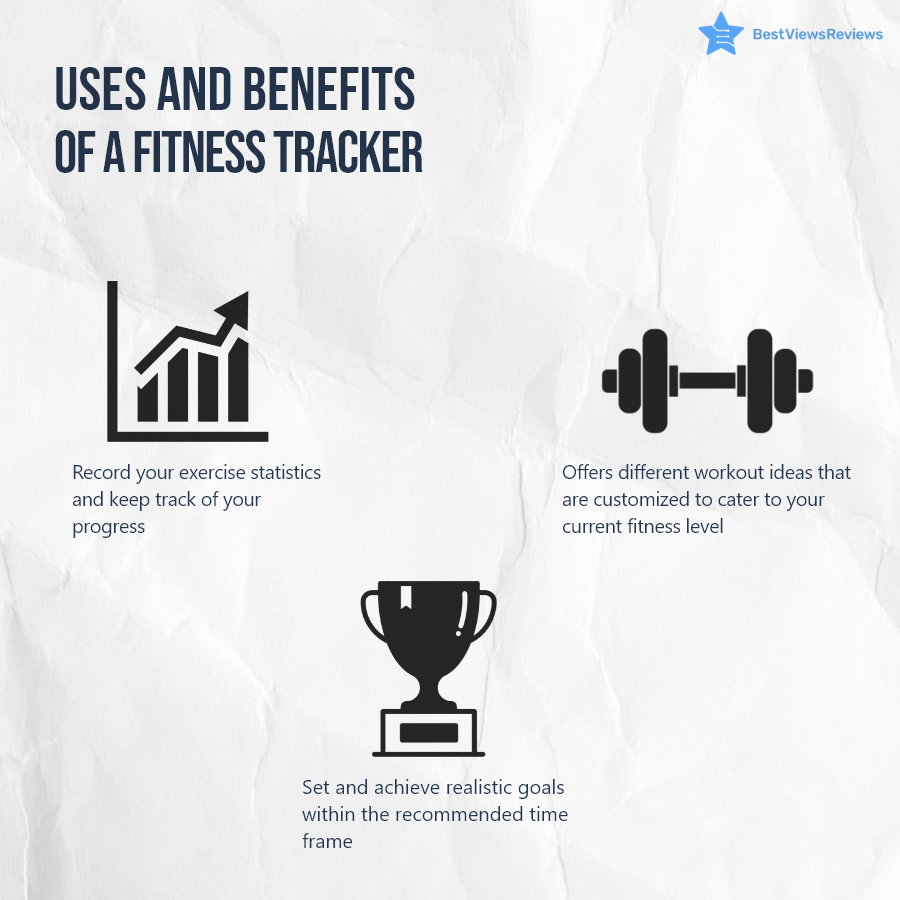
  • Recording and monitoring statistics
  • Offers custom workout ideas
  • Helps in time management
  • Monitors the heart rate
  • Monitors calorie intake
  • Helps in setting realistic goals and achieving them

Reviews of INIUPO fitness watch show that this watch offers an easy of keeping track of your fitness and health variables like heart rate, sleep, step counts, etc.

Features of a Fitness Tracker

A fitness tracker like Amazon Halo View fitness tracker uses a combined technology with AI to offer advanced features. It has a sleep monitoring feature, a water-resistant built, compatible Bluetooth connectivity, and a decent battery. It also lets you record your heart rate, calories as well as other fitness variables.

Key Takeaway

Most fitness brands offer handy, simple, and durable fitness products. The fitness tracker is a convenient way of tracking your progress. It delivers far more than your mere expectations.

You can use this gadget with exercise bikes for weight loss or you can use it during your other workout sessions as well. Download the full infographic of fitness trackers to include us as a reference.

BestViewsReviews rates and ranks hundreds of smartwatches and exercise bands on the basis of battery life, compatibility, and compact design. Browse through our featured section to know about your buying options on top-rated fitness trackers.

Father’s Day 2024 Gifts: An Exclusive Peek

father's day

Father’s Day is just around the corner, and it’s time to celebrate the special men in our lives with gifts that show our appreciation. This day calls to honor our dearest fathers, along with some grilling, get-togethers, and fantastic gifts. Whether your dad is a tech enthusiast, a fitness buff, or a culinary master, finding the perfect present can be a delightful challenge.

This blog tells you all about the best gifts you can buy for your Father this Father’s Day. We have also taken the liberty to explain a little more than we already know about this day. Of course, how we celebrate Fathers’ has seen many changes through the years, with our creativity getting better with each passing year. The reason for the celebration remains the same.

History of Father’s Day

The proliferation of this day with gifts, flowers, and other things was feminine and took some time to be acknowledged by all. Grace Golden Clayton was the first woman to celebrate Father’s Day. Being the daughter of a reverend, she wanted to honor all the fathers, including those who had died.

This observance could not become an annual event as the concept was new, and people were skeptical about it. It got just outside a few local areas but this step caught a lot of attention, with other women celebrating this day to honor fathers.

Best Father’s Day Gifts 2024

Activity & Fitness Trackers

Activity and fitness trackers are smart gadgets that help in tracking your health and fitness variables, like calories, blood pressure, etc. You can also connect these gadgets with your phone to receive calls and real-time notifications. They are made of lightweight material that allows you to wear them for long while running or exercising. The waterproof models even let you wear them while swimming.

Bluetooth Speakers

Bluetooth speakers are modern gadgets that help you play your songs loud with deep bass. You can connect these speakers with your phone via Bluetooth. Some models also equip a voice control feature that you can use to control your gadget via voice commands. These speakers are great for hands-free operations. They are portable and lightweight, allowing you to carry them while traveling with ease.

Backpacks

Backpacks are storage bags that have separate compartments to keep your items organized. You can take these backpacks to take your essentials along while traveling. They come in different types. The laptop backpack is designed to hold your laptops and to keep them safe in travel. KROSER TSA Friendly Travel Laptop Backpack has got good reviews for its water-resistant material and large space.

Electric Back Massagers

Electric massagers are devices that give soothing massage to your back and neck. The RESTECK Massagers use a deep tissue 3D kneading pillow to elevate muscle pain and soreness. This model has a portable design that makes it ideal for road trips, traveling, camping, car use, the office, and more. It comes with 4 control buttons that allow you to regulate heat as per your needs.

Over Ear Headphones

Over ear headphones are smart gadgets that you can connect with your phone or other sound output devices to enjoy hands-free listening and other operations. Reviews of RUNOLIM Bluetooth Headphones show that it is one of the best models in the market. These headphones come with 500mAh large battery capacity offer up to 55 hours of music.

Running Shoes

Running shoes make an excellent Father’s Day gift, combining thoughtfulness with practicality. For the active dad or the one looking to start a new fitness journey, a quality pair of running shoes offers comfort, support, and motivation. Brooks Men’s Glycerin 20 Neutral Running Shoes are a great option as they are perfect for Ideal for road running, cross training, the gym, and many more activities.

Key Takeaway

Father’s Day is one day when we can tell our heroes how we feel about them. These thoughtful gifts will surely make your dad smile and your day good. Make sure you check the return policy and customer reviews when you are buying online from platforms like amazon.

BestViewsReviews rates and reviews the best products based on quality, performance, and popularity.